
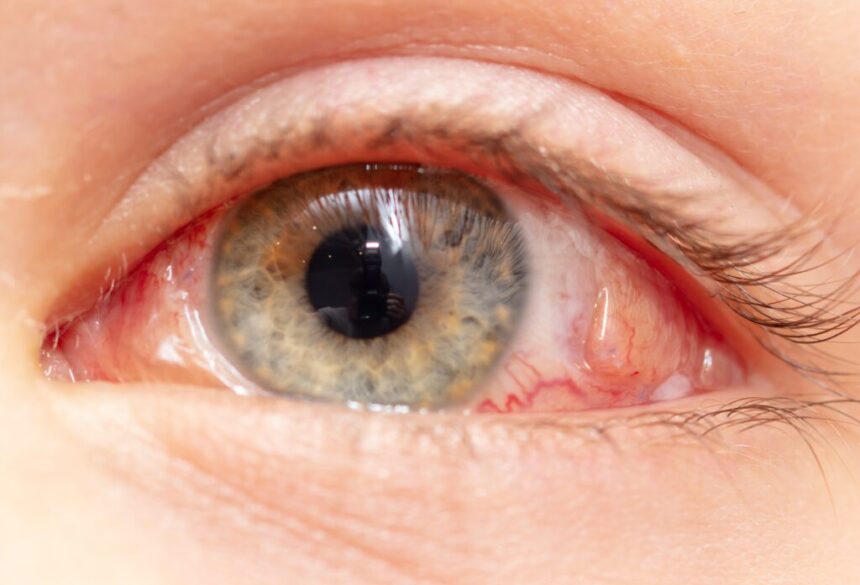
Retinal detachment affects the structure at the back of the eye that transforms light into signals required for vision. This condition results when the retina separates from its usual position, interrupting its ability to function. The detachment requires professional treatment to resolve, and options may include laser therapy and pneumatic retinopexy. Here’s information about the causes and symptoms of this condition:
Defining Retinal Detachment
Retinal detachment occurs when the retina separates from its underlying support layer, which is rich in blood vessels. Once detached, retinal cells lose their normal supply of oxygen and nutrients. The longer the retina remains detached, the higher the risk of permanent vision damage. For this reason, a detached retina is a serious eye condition that requires prompt evaluation.
Identifying the Causes of Detachment
There are three primary types of retinal detachment: rhegmatogenous, tractional, and exudative. Each is associated with distinct mechanisms, and understanding these differences helps guide appropriate diagnosis and treatment. A rhegmatogenous detachment is the most common type. It develops when a break or tear forms in the retina, allowing the gel-like vitreous in the eye to move behind it. This fluid buildup applies pressure, lifting the retina from its proper position. Natural changes that come with aging may encourage this process, as the vitreous often shrinks and tugs on nearby tissue.
A tractional detachment results from scar tissue forming on the retina. When this tissue contracts, it draws the retina away from the back of the eye. This pattern is linked to health conditions that affect the eye’s blood vessels, such as diabetes.
An exudative detachment develops even without a physical break. Fluid collects under the retina due to underlying disease, inflammatory processes, or trauma. The presence of fluid helps separate the retinal layer from its foundation.
Recognizing the Key Symptoms
Symptoms of retinal detachment can begin abruptly. Even though they are usually painless, these signs are distinctive and function as fundamental cues to pursue a professional opinion. Watch for these symptoms:
- Sudden appearance of floaters, such as small shapes, dark specs, or strands drifting within the field of view.
- Flashes of light in one or both eyes, sometimes described as photopsia.
- A shadow or curtain effect, with darkness crossing a section of peripheral vision and occasionally progressing centrally.
Seeking a Professional Evaluation
A professional eye examination is the first step in identifying the cause of any concerning visual changes. An ophthalmologist can perform a thorough assessment, which includes dilating the pupils to closely examine the retina. Early detection of retinal detachment is key to optimizing treatment outcomes; prompt diagnosis allows for timely intervention, which helps prevent further vision loss. It can also improve the chances of successfully reattaching the retina. Depending on the type and severity of the detachment, treatment may involve laser therapy, pneumatic retinopexy, scleral buckle surgery, or vitrectomy.
Find Treatment for Retinal Detachment
Detached retinas can lead to vision loss, and they require a professional eye exam to diagnose and treat properly. Recognizing the key symptoms, such as seeing floaters or experiencing darkened peripheral vision, and acting quickly are key to preserving eye health. If any of these warning signs appear, contact an eye care professional for a thorough assessment.