

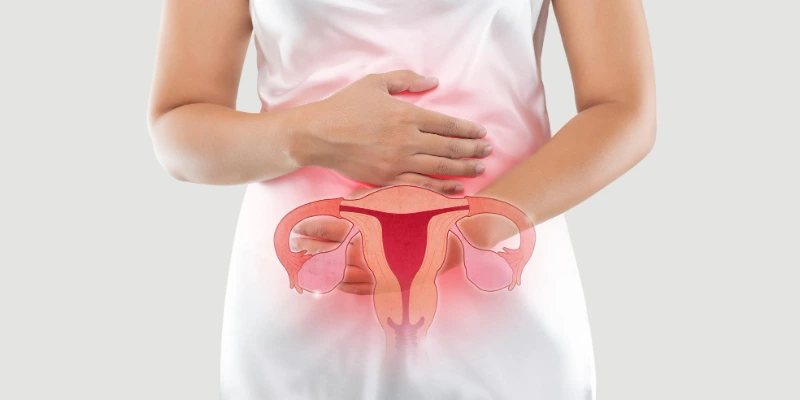
Polycystic Ovary Syndrome (PCOS) is a hormonal condition commonly diagnosed in women of reproductive age, and it presents as a group of symptoms that affect ovarian function and interfere with ovulation. The name comes from the small, fluid-filled sacs or follicles that develop on the ovaries of some women with this condition, though not everyone with PCOS has visible cysts. Here is some information about the link between PCOS and infertility:
Irregular Periods
Irregular menstrual cycles are a key sign of PCOS. Menstrual cycles might be longer than 35 days, unusually short, or absent for months. Some women notice periods that are very heavy and last longer than what is typical, while others only menstruate a few times a year. These unpredictable patterns stem primarily from inconsistencies in ovulation, which is the process of releasing an egg from the ovaries each month.
In women with PCOS, ovulation may be infrequent or not occur at all. An irregular cycle makes it difficult to predict when ovulation might happen, and this is a key factor in achieving pregnancy. Anovulation, meaning ovulation does not take place, is a leading contributor to fertility difficulties for many people with this syndrome.
Hormonal Imbalance
Many people with PCOS have higher levels of androgens, which all bodies produce but typically in smaller quantities for women. Elevated androgen levels may interrupt the regularity of egg maturation and release during the menstrual cycle. This can cause less predictable ovarian function, resulting in cycles with no ovulation and making conception difficult. Imbalances in other hormones can also play a role in the underlying physiology of PCOS, and these include:
- Luteinizing hormone (LH): LH triggers ovulation, and in women with PCOS, LH levels are often high, disrupting the normal ovulatory process.
- Follicle-stimulating hormone (FSH): FSH stimulates the growth of ovarian follicles before ovulation. An imbalanced LH-to-FSH ratio is common in PCOS, which can prevent follicles from maturing properly.
- Estrogen: Estrogen levels can be abnormally high in women with PCOS, contributing to the disruption of the menstrual cycle.
Insulin Resistance
Insulin resistance is also linked to PCOS and its impact on fertility. Many women with PCOS produce insulin normally, but their body’s cells do not respond to it effectively. When this occurs, the pancreas produces increasing amounts of insulin to move glucose from the bloodstream into the cells. Over time, this leads to higher circulating insulin levels, which may stimulate the ovaries to generate more androgens. The resulting hormonal imbalance further disrupts ovulation, and it makes regular menstrual cycles less likely. Insulin resistance also affects metabolic health and contributes to weight gain, which is associated with changes in hormone regulation and ovulation. The combination of metabolic and hormonal complications creates a feedback loop that makes managing both PCOS and fertility more complex.
Work With a PCOS Specialist
Connecting with a healthcare provider who specializes in PCOS gives you access to clear guidance, up-to-date research, and practical support. A specialist takes time to understand your individual symptoms and medical history to create a plan tailored to you. They outline hormone therapy and surgical options, and they discuss how each affects menstrual regularity and conception chances. To learn more about treatment options, contact a gynecologist today.