
Understanding a medical procedure is the first step toward preparing for it. When a dermatologist recommends a specific treatment for skin cancer, knowing what the process involves can help you feel more informed and prepared. Mohs surgery is a precise surgical technique used for removing certain types of skin cancers, and this article provides a guide to what a patient can generally expect.
What Is Mohs Surgery?
Mohs surgery is a procedure used to remove skin cancer. The process involves the systematic removal of thin layers of skin tissue at the cancer site. After each layer is removed, it is examined under a microscope by the surgeon. This real-time analysis allows the surgeon to identify and map the exact location of any remaining cancer cells.
This layer-by-layer approach continues until the microscopic examination shows no more cancer cells are present. The goal of this method is to remove all the cancerous tissue while preserving as much of the surrounding healthy tissue as possible. The procedure is commonly performed in a dermatologist’s office or a dedicated surgical suite.
Who Is It For?
Dermatologic surgeons may use Mohs surgery in a variety of situations. It is frequently selected for treating the two most common types of skin cancer: basal cell carcinoma and squamous cell carcinoma. The procedure might also be applied to other, less common skin cancers. The location of the skin cancer is a factor in determining if Mohs surgery is a suitable option. This technique is often used for cancers in areas where tissue preservation is desired for functional or cosmetic reasons. These areas include the face, scalp, hands, feet, and genitals.
What Should You Expect?
The day of your Mohs surgery will be dedicated to the procedure, and it is best to clear your schedule. The surgeon will numb the area around the skin cancer. You will be awake during the surgery, but the area will be numb, so you should not feel pain. You may feel slight pressure or movement.
During the Procedure
Once the area is numb, the surgeon removes the first thin layer of visible cancerous tissue. This tissue is taken to the on-site lab for analysis. This waiting period is often the longest part of the day and can last for an hour or more. The surgeon examines the processed tissue under a microscope to check for cancer cells at the edges. If cancer cells are found, the surgeon will know exactly where they are located. They will then return to you, numb the specific area again if needed, and remove another small layer of tissue only from the precise location where cancer remains. This process is repeated as many times as needed until the lab results show that the surgical site is clear of cancer.
After the Procedure
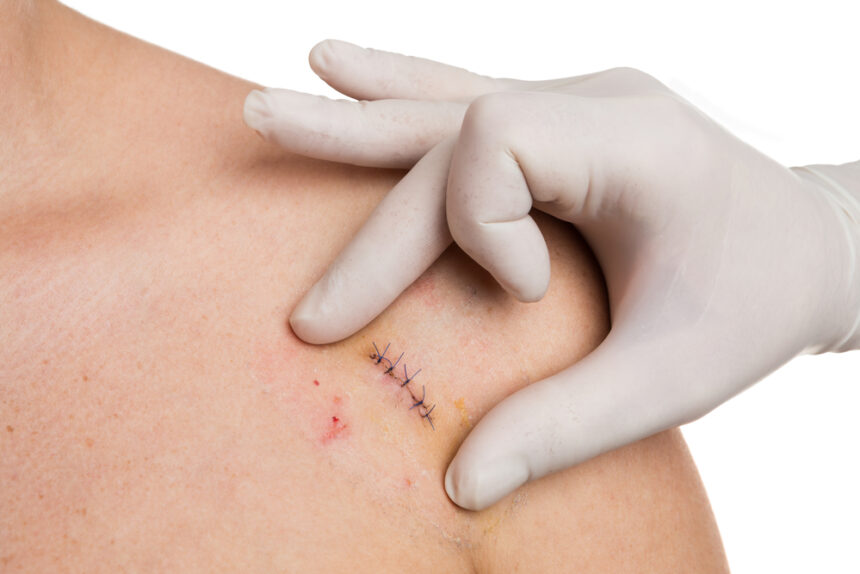
When the surgeon confirms that all cancer has been removed, the final stage is to address the wound. The surgeon will assess the wound and discuss repair options with you. Depending on the size and location of the wound, it may be left to heal on its own, closed with stitches, or repaired with a skin graft or flap. In some cases, the repair may be scheduled with another specialist on the same or the following day.
Meet With a Dermatologist
Your experience may vary based on your specific circumstances. A dermatologist can offer personalized information regarding your condition. A consultation is the appropriate setting to discuss your medical history, ask detailed questions, and understand the full scope of the recommended procedure, including preparation and recovery. Open communication with your care team will help you prepare for the day of surgery.