

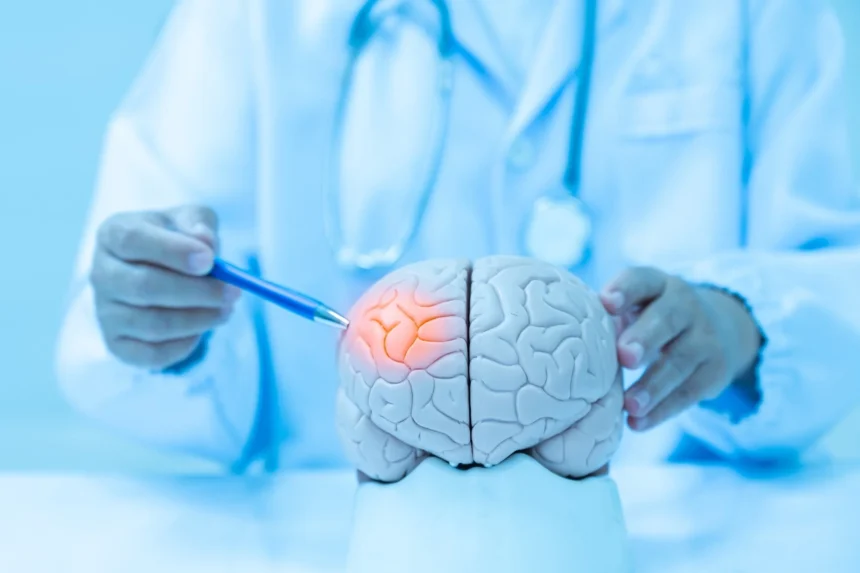
A stroke occurs when the blood supply to part of the brain is interrupted or reduced, which prevents brain tissue from getting oxygen and nutrients. Brain cells begin to die in minutes, so this condition is a medical emergency that requires prompt treatment. A stroke produces a wide range of long-term effects on a person’s physical and mental well-being, altering cognitive function and emotional health in various ways. Here is more information about its cognitive and emotional impact:
Impaired Abilities
A stroke can damage brain areas responsible for memory and thinking, and this damage may lead to significant cognitive challenges. Following a stroke, individuals may find it difficult to concentrate, making it harder to sustain mental effort for tasks. These impairments make everyday activities such as planning, organizing, and problem-solving much more difficult. Aphasia, a disorder that affects communication, is also a typical consequence.
The specific cognitive abilities affected by a stroke depend on the location and severity of the brain injury. Difficulties may range from mild to severe, and they might improve with rehabilitation. Some people will face challenges with spatial awareness. Others will have trouble with language or memory retention. Because the brain is a complex organ, the aftermath of a stroke is unique to each person.
Heightened Risk of Dementia
Experiencing a stroke can increase the likelihood of developing dementia later in life, a condition known as vascular dementia. This type of dementia occurs when brain damage from poor blood flow affects reasoning, judgment, memory, and thought processes. The cognitive decline associated with vascular dementia may appear suddenly or progress gradually over time.
This heightened risk is directly tied to the brain injury sustained during the stroke. The death of brain cells affects the neural networks that support cognitive functions, and this damage accumulates with each vascular event. Symptoms of vascular dementia may include memory loss and other conditions, and these signs often develop gradually:
- Confusion
- Difficulty paying attention
- Reduced ability to organize thoughts
- Problems with memory
Managing vascular risk factors, such as high blood pressure and diabetes, is a strategy used to lower the chances of future strokes and associated cognitive decline. Prevention is a key focus in post-stroke care plans. The link between stroke and dementia shows long-term neurological effects that go beyond initial recovery.
Reduced Quality of Life
The cognitive and emotional changes after a stroke may lead to a reduced quality of life. Daily routines that were once simple may become difficult, and this loss of independence affects a person’s sense of self and well-being. Individuals may withdraw from social activities because communication is hard or they feel overwhelmed in group settings. These new limitations create frustration and a sense of loss for the life they had before the stroke.
Increased Emotional Conditions
Emotional and mood changes are typical after a stroke, and many survivors experience conditions like depression or anxiety. Depression is a typical condition that affects mood, energy levels, and interest in activities. Anxiety might also develop, presenting as:
- Constant worry
- Ongoing restlessness
- Panic attacks
These emotional conditions require recognition and management as part of a comprehensive recovery plan.
Schedule Care for a Stroke
A stroke profoundly alters cognitive functions and emotional health by impairing abilities, elevating dementia risk, and diminishing a person’s quality of life. Because each survivor’s journey is different, recovery involves addressing these diverse and interconnected challenges. Understanding these potential outcomes helps families and caregivers provide better support. If you or a loved one needs assistance managing life after a stroke, contact a vascular expert to schedule a consultation.