
Botox injections are a widely used cosmetic treatment that can temporarily relax facial muscles. This neurotoxin, botulinum toxin type A, helps reduce the appearance of wrinkles for several months. Many people choose Botox to support their health goals and maintain a smoother facial appearance. Here are a few things to know when exploring the different types of Botox treatments available:
Cosmetic Botox
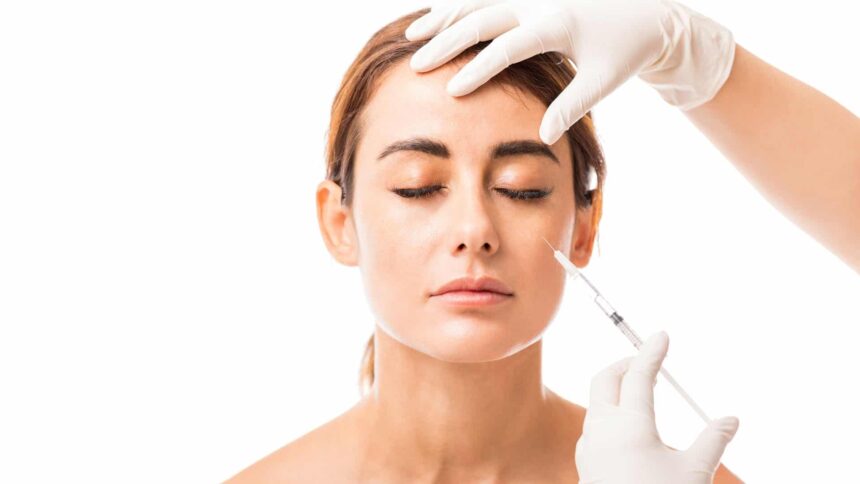
Cosmetic Botox targets dynamic wrinkles caused by repeated facial movements. Common areas include the forehead, the space between the eyebrows, and the outer corners of the eyes, known as crow’s feet. The procedure uses small, precise injections into specific muscles, and it is generally quick. Patients usually resume normal activities shortly afterward.
Botox can be combined with other treatments, such as dermal fillers or skin resurfacing procedures, to complement overall facial appearance. Each treatment is planned according to the patient’s facial structure and muscle movement. Results are temporary, and follow-up sessions may be scheduled to maintain effects.
Therapeutic Botox
Therapeutic Botox is used to address a range of medical concerns beyond cosmetic purposes. It can help manage chronic migraines by reducing headache frequency and intensity. In cases of hyperhidrosis, or excessive sweating, treatment works by limiting the chemical signals that activate sweat glands. These applications focus on addressing underlying physiological processes.
Botox is also applied for certain muscle conditions and eye-related issues, where precise injections can improve function or relieve discomfort. Trained medical professionals administer treatments and are often incorporated into broader management plans. Patients may experience gradual improvements as the injections take effect, and follow-up appointments help guide ongoing care.
Preventative Botox
Preventative Botox targets early signs of facial aging. Younger adults often use it to reduce muscle activity before deep wrinkles appear. The treatment relaxes specific facial muscles, which may slow the formation of expression lines. People in their late 20s or early 30s often combine this approach with other noninvasive treatments to support long-term skin appearance.
Toxin Formulations
Botulinum toxin treatments include several different formulations. In addition to Botox, other commonly used products are Dysport, Xeomin, and Jeuveau. Each formulation contains botulinum toxin type A, though they may vary slightly in composition. These differences can influence how quickly results appear, how long they last, and how the product spreads in the targeted muscles.
Choosing the appropriate toxin depends on individual treatment goals, medical factors, and prior experiences with similar procedures. A qualified provider evaluates factors such as muscle activity, treatment area, skin characteristics, and desired outcomes. They guide patients in selecting the option that best aligns with their needs while supporting a safe and precise administration.
Start Your Path to Treatment
Botulinum toxin treatments include several formulations, such as Botox, Dysport, Xeomin, and Jeuveau. Each uses a form of botulinum toxin type A, but they differ in composition, onset, and duration. These differences can affect how results develop and how long they last. Choosing the right formulation depends on factors such as muscle activity, the treatment area, and personal goals. A qualified provider can review these factors and help determine the most suitable approach. Schedule a consultation to discuss options and understand what may work best for your needs.