
Mohs surgery is a precise procedure used to treat certain types of skin cancer while preserving as much healthy tissue as possible. Knowing what to expect before, during, and after your appointment can help you prepare for a smooth procedure. Here’s more information on what you can expect during your Mohs surgery appointment:
Preparation for Mohs Surgery
Proper preparation is key to supporting a smooth and efficient experience during your Mohs surgery appointment. Follow these key steps to get ready:
- Review Your Medical History: Bring a comprehensive list of your medications, allergies, and prior medical conditions to share with the medical team.
- Arrange for Support: Plan to have someone accompany you to the appointment, as the procedure may take several hours, and you may require assistance afterward.
- Prepare Comfortable Clothing: Wear loose, comfortable clothing that allows easy access to the surgical site.
- Avoid Certain Medications: Follow your surgeon’s instructions on which medications or supplements to avoid in the weeks leading up to the procedure.
- Plan for Post-Procedure Care: Stock up on necessary supplies, such as bandages and prescribed medications, to support proper care after surgery.
Following these steps helps you optimize the procedure’s outcome and your recovery experience.
Mohs Micrographic Procedure Overview
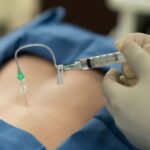
The Mohs procedure begins with a local anesthesia injection that completely numbs the treatment area. Your surgeon will remove the visible tumor along with a thin layer of surrounding tissue. This tissue gets processed and examined immediately under a microscope while you wait in a comfortable recovery area.
The surgeon creates a detailed map of the removed tissue and examines it for cancer cells along all edges and borders. If cancer cells remain at any margin, the surgeon removes another precise layer only from areas where cancer was detected. This process repeats until microscopic examination shows completely clear margins with no remaining cancer cells. Throughout the procedure, your medical team monitors your comfort and provides updates on progress.
Recovery and Wound Care
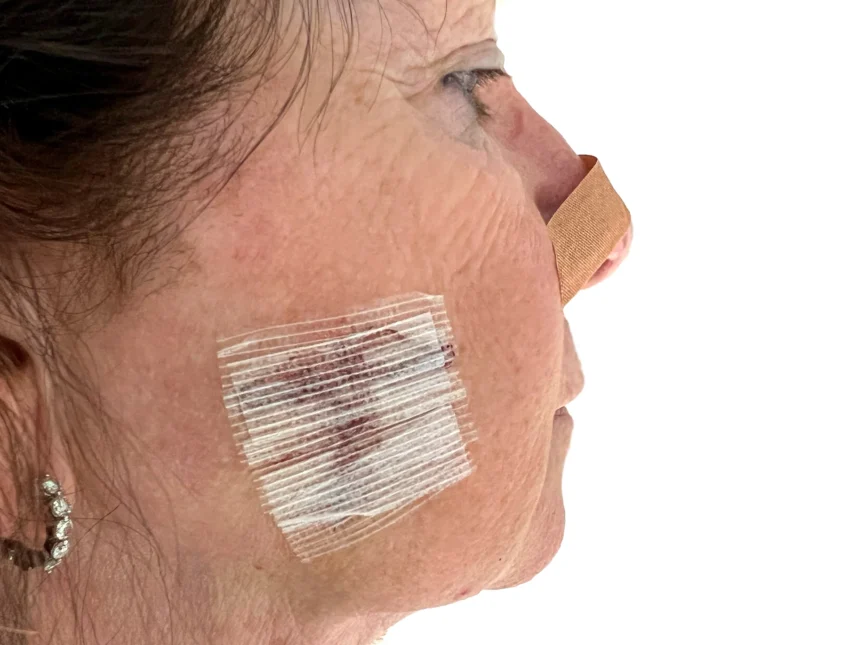
Recovery from Mohs surgery typically lasts 1-2 weeks, with most patients experiencing manageable discomfort. Your surgeon may perform reconstruction immediately after cancer removal or schedule it for the following day. The reconstruction method depends on the wound’s size, location, and your individual needs.
Post-operative care instructions are fundamental for optimal healing. Keep the wound clean and dry, following your surgeon’s specific guidelines. Apply prescribed ointments and change dressings as directed. Rest and avoid strenuous activities for at least 48 hours after surgery. Bruising and swelling around the surgical site are normal and expected. Contact your medical team immediately if you notice signs of infection, excessive bleeding, or unusual pain that worsens over time.
Benefits and Effectiveness
Mohs surgery offers several advantages, making it a highly effective treatment method for certain skin cancers. Key benefits include:
- High Cure Rates: Mohs micrographic surgery has one of the highest success rates for completely removing skin cancer, particularly basal cell carcinoma and squamous cell carcinoma.
- Tissue Preservation: The technique is designed to minimize the removal of healthy tissue, aiding functional and cosmetic outcomes.
- Immediate Results: Lab analysis is performed during the procedure, allowing for immediate confirmation of clear margins.
- Minimized Recurrence: Precisely targeting cancerous cells significantly reduces the recurrence rate compared to other methods.
- Reconstructive Services: Often provided immediately after cancer removal to optimize functional and cosmetic outcomes.
These benefits underscore the effectiveness and precision of Mohs surgery, making it a preferred choice.
Schedule Your Mohs Surgery Consultation
Mohs surgery offers the most effective treatment for many skin cancers while preserving healthy tissue and maximizing cosmetic results. Understanding what to expect helps you approach your appointment with clarity and realistic expectations. If you have been diagnosed with skin cancer or have concerns about suspicious lesions, contact a certified Mohs surgeon near you to schedule your consultation and discuss your treatment options.