

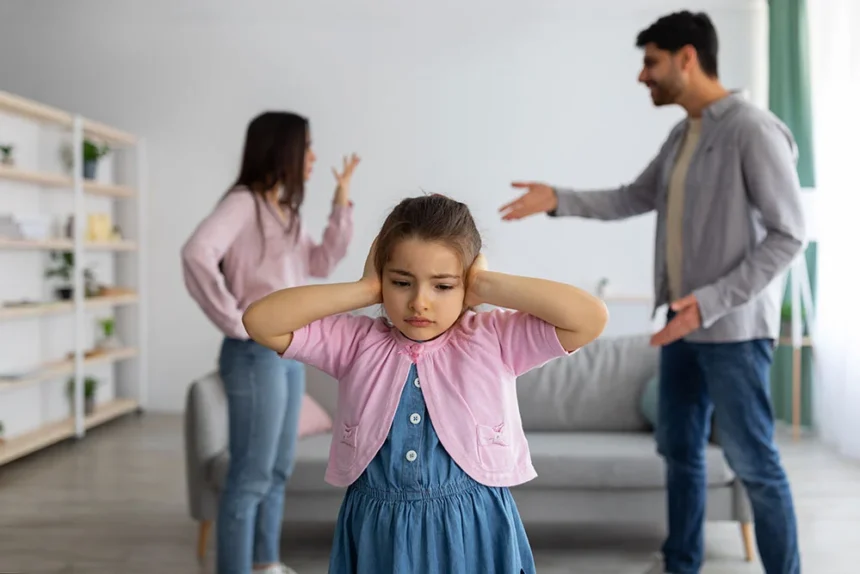
Post-traumatic stress disorder, commonly referred to as PTSD, is a mental health condition that develops after experiencing or witnessing a traumatic event. While the primary symptoms can affect the individual directly. Relationships often struggle under the weight of symptoms like avoidance, hyperarousal, and mood changes, which can create a challenging environment for partners and children.
Creating Emotional Distance
One of the most immediate impacts on a relationship is the development of significant emotional distance between partners. Individuals with PTSD often engage in avoidance behaviors, which may manifest as withdrawing from social interactions or shutting down emotionally to protect themselves from distress. This withdrawal can leave partners feeling isolated or rejected, even though the intent is self-preservation rather than malice.
Increasing Relationship Conflict
As the condition progresses, certain challenges can arise that affect daily life and relationships. Some common issues include:
- Increased irritability and sudden outbursts of anger.
- Frequent arguments over minor issues that would usually be resolved quickly in a healthy relationship.
- A partner feeling like they are “walking on eggshells,” unsure of what might trigger a negative reaction.
- The person suffering feeling misunderstood and constantly on edge.
- A cycle of tension and conflict that disrupts the stability of the home environment, making it hard to maintain peace.
Disrupting Healthy Communication
Trauma can affect communication within families, making it hard to express feelings, share memories, or connect on a deeper level. Without open dialogue, misunderstandings grow, and the ability to solve problems together diminishes. Some common communication barriers often faced by trauma survivors and their families include:
- Difficulty expressing complex emotions.
- Misinterpreting neutral comments as criticism.
- Avoiding discussions about future or past events.
- Withdrawing into silence during stressful moments.
Decreasing Intimacy Levels
Intimacy includes physical closeness and emotional connection, but trauma can make both difficult. Survivors might avoid touch because of triggers or feeling on edge; this can lead to less physical affection and sexual activity, which may hurt the relationship and a partner’s self-esteem. Rebuilding intimacy takes patience and understanding.
Shifting Family Responsibilities
When one partner faces mental health challenges, the balance of household labor and parenting duties can shift dramatically. The unaffected partner often takes on the bulk of domestic tasks, financial management, and childcare to make up for their spouse’s reduced capacity. Over time, this imbalance can cause strain, particularly if it continues without acknowledgment or support.
Children in these households also feel the impact, sometimes taking on roles that are not age-appropriate. They might act as caregivers or provide emotional support for their parents, which places undue pressure on them. Without proper intervention, this dynamic affects the entire family’s well-being.
Healing Relationships Impacted by PTSD
Recovery is a process that involves the entire family, not just the individual diagnosed with the condition. Professional support, such as family therapy or couples counseling, provides a structured environment where communication strategies are used to rebuild safely. Education about the condition helps family members depersonalize symptoms and respond with effective coping mechanisms rather than defensiveness. If you or a loved one is struggling with the effects of PTSD on your relationship, seek professional guidance.