
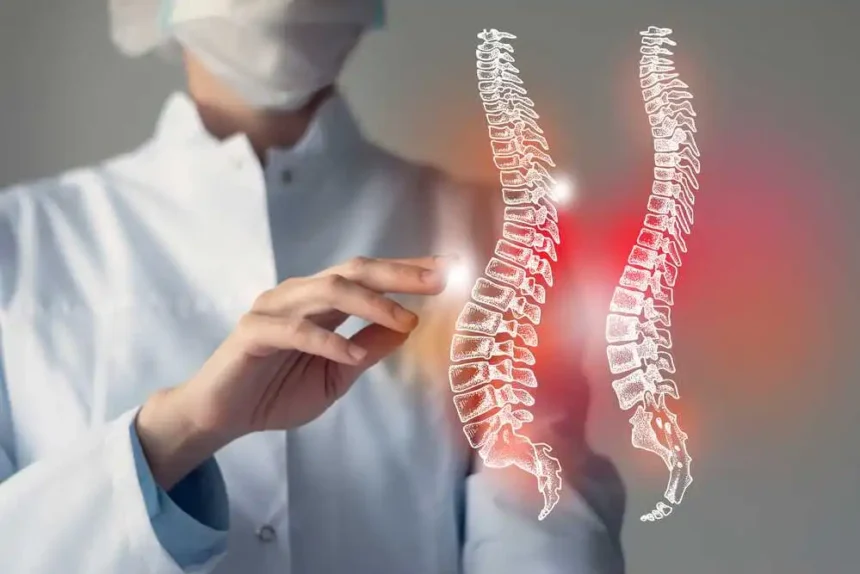
Spinal stenosis is a condition that causes pain, numbness, and muscle weakness. While many people manage their symptoms with non-surgical treatments like physical therapy or medication, others find that their condition progresses to a point where surgery becomes a viable option for relief. Modern medicine offers several procedures designed to alleviate pressure on the spinal cord and nerve roots, and aims to restore mobility and reduce discomfort.
What Is Spinal Stenosis?
Spinal stenosis occurs when the open spaces within the spine narrow. This reduction in space can compress the spinal cord and the nerves extending from it. Several factors contribute to this narrowing. Osteoarthritis is a primary cause, as it can lead to bone spurs that intrude into the spinal canal. There are a range of other causes, including herniated disks, thickened ligaments, tumors, and spinal injuries.
Some individuals are born with a narrower spinal canal, but most develop the condition over time as part of the aging process. The narrowing itself does not always cause problems. Issues arise when the narrowing impinges on the nerve roots or the spinal cord itself. This compression disrupts the signals traveling between your brain and the rest of your body, leading to various physical limitations.
What Signs Indicate Its Presence?
Symptoms of spinal stenosis vary depending on the location of the stenosis and which nerves are affected. Some people may have evidence of stenosis on X-rays or MRI scans but experience no symptoms at all. When symptoms do occur, they often start gradually and worsen over time.
In the lower back, symptoms frequently include pain or cramping in one or both legs when standing for long periods or when walking. This discomfort usually eases when you bend forward or sit down. You might also experience numbness or notice weakness in a foot or leg.
In the neck, symptoms can be more widespread. You may notice numbness or tingling in a hand, arm, foot, or leg. Weakness in a hand, arm, foot, or leg is also common. Problems with walking and balance can occur, and there may be bowel or bladder dysfunction in severe cases.
How Is It Treated?
When conservative treatments such as medication, physical therapy, and steroid injections fail to provide adequate relief, surgery becomes an option. The primary goal of surgery is to relieve pressure on the spinal cord or nerve roots and mitigate symptoms. Surgical approaches that aim to achieve this include:
- Decompression Surgery: Surgeons remove the thickened ligaments of the affected vertebra. This creates more space for the nerves.
- Interspinous Process Spacers: For some patients with stenosis, surgeons may implant a device between the spinous processes. These spacers keep the vertebrae apart, which opens up the nerve passageways.
- Minimally Invasive Options: Advancements in medical technology now allow for minimally invasive spine surgery. These techniques can result in less damage to surrounding muscles, reduced pain after surgery, and faster recovery times.
Navigating the complexities of spinal health and deciding which treatment method is right for your condition requires professional guidance.
Consult a Pain Management Specialist
While surgical interventions offer significant relief for many, they are not suitable for everyone. A pain management specialist or spine surgeon can evaluate your specific condition, review your medical history, and discuss the potential risks and benefits of each procedure. They can help determine if you are a candidate for minimally invasive techniques or decide if a more traditional approach would yield better results.