

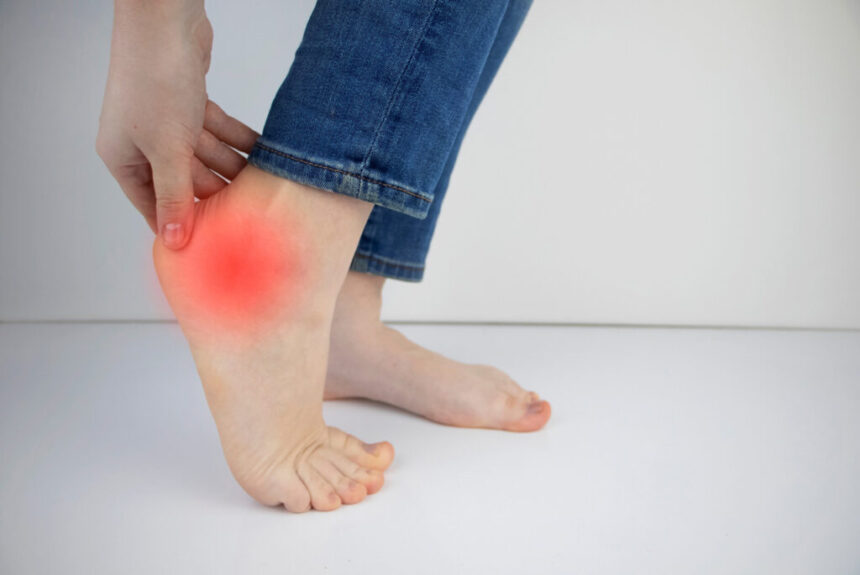
Chronic heel pain stands as a condition that can significantly impede mobility and quality of life. This condition often stems from stress placed on the heel bone and the soft tissues attached to it. While medical interventions exist, daily habits and routines play a fundamental role in managing symptoms and preventing recurrence. Understanding the mechanics of the foot offers clarity, and implementing strategic adjustments to daily activities can provide relief.
What Causes Heel Pain?
The heel bone bears the brunt of the body’s weight with every step. Because of this heavy load, it is susceptible to injury and strain. The first steps out of bed in the morning can bring sharp heel pain, signaling underlying issues that require attention.
A prevalent cause of heel pain involves the plantar fascia, a strong band of tissue connecting the heel bone to the toes. When this tissue becomes irritated or inflamed, it causes significant discomfort. This condition typically manifests as stabbing pain near the heel, particularly after periods of rest. Achilles tendinitis affects the tendon connecting the calf muscle to the heel. Overuse or sudden increases in physical activity can strain this tendon, which leads to pain along the back of the leg near the heel.
How Is It Treated?
Managing heel pain often begins with tweaking daily habits and modifying your environment. Small changes, such as minor life adjustments, may yield significant improvements in comfort and function. Strategies to relieve pain include:
- Footwear Selection: Wearing shoes with worn-out cushions or insufficient arch support exacerbates stress on the heel. Select footwear that provides a firm heel counter and adequate cushioning.
- Stretching and Strengthening: Tight calf muscles can increase tension on the Achilles tendon and plantar fascia. Strengthening the small muscles of the foot also improves stability.
- Activity Modification: Rest remains a necessary component of recovery. Reducing the frequency or duration of activities that cause pain allows tissues to heal.
- Weight Management: Excess body weight places additional force on the feet, particularly the heels. Maintaining a healthy weight reduces this load and can decrease the mechanical stress that contributes to pain.
- Icing and Elevation: Applying ice to the affected area can help manage inflammation and discomfort. Elevating the foot after long periods of standing also assists in reducing swelling.
When Should You Seek Care?
While home remedies and lifestyle adjustments often resolve mild cases, some situations require professional evaluation. Ignoring persistent symptoms can lead to chronic issues that are more difficult to treat. Seek medical attention if severe pain and swelling persist despite rest and home treatment. An inability to bend the foot downward or support body weight indicates a need for immediate evaluation. If heel pain continues for more than a few weeks without improvement, a specialist can identify the root cause and recommend appropriate interventions.
Consult a Foot and Ankle Specialist
Persistent heel pain should not be accepted as a normal part of life. A foot and ankle specialist can provide a comprehensive evaluation, including imaging studies, to pinpoint the exact source of discomfort. Beyond diagnosis, these specialists offer advanced treatment options that are unavailable through home care. Early intervention often leads to better outcomes and a faster return to normal activities. By partnering with a medical professional, patients receive a tailored care plan that addresses their specific anatomy and lifestyle needs, paving the way for long-term relief and improved foot health.