
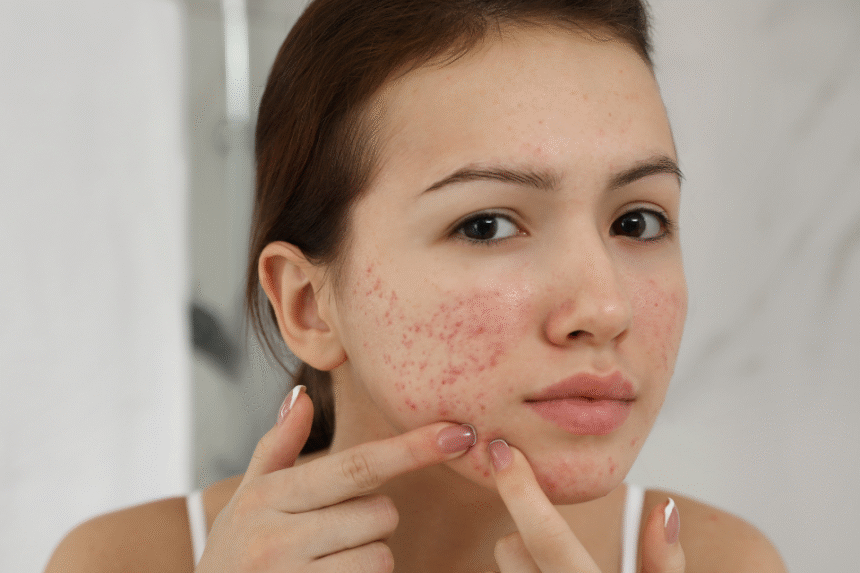
Acne is a common skin condition, yet it is also one of the most misunderstood. Misinformation can lead to ineffective home remedies and habits that may worsen breakouts or delay improvement. Here is a closer look at common myths and facts about acne:
Debunking Acne Myths
Many individuals struggle to clear their skin of acne because they follow advice based on myths rather than medical science. Belief in these misconceptions can lead to ineffective home remedies or habits that may actually worsen skin health. Here are some of them:
- Acne is caused by dirty skin: Some people believe that blackheads and pimples result from dirt clogging pores, leading to excessive scrubbing.
- Only teenagers get acne: Fluctuating hormones, stress, and certain medications often cause acne to persist or appear for the first time in adulthood.
- Eating chocolate and greasy food causes acne: While a balanced diet is helpful for overall health, greasy foods generally do not cause oil to accumulate in the pores.
- Tanning clears up acne: Sun exposure may temporarily dry out blemishes or mask redness, but it also causes long-term damage and inflammation. Over time, sun damage can lead to hyperpigmentation and may actually increase oil production as the skin tries to compensate for dryness.
Believing these myths often delays effective treatment, making it helpful to examine the biological facts instead.
Exploring Acne Causes
To treat breakouts effectively, one must understand what happens beneath the skin’s surface. The primary cause of acne is the blockage of hair follicles. Your skin naturally sheds dead skin cells, but sometimes they don’t shed properly and mix with sebum. This mixture forms a plug in the follicle, creating an environment where bacteria can thrive.
Sebum is a waxy oil produced by sebaceous glands to lubricate the skin. Factors such as hormonal changes can cause these glands to produce too much oil, which may mix with dead skin cells and clog pores. Hormones play a fundamental role in the development of acne. Androgens are hormones that increase during puberty and can enlarge the sebaceous glands, leading to increased sebum production. Hormonal changes related to pregnancy, menopause, or stopping birth control can also trigger breakouts in adults.
Avoiding Triggers
Managing acne requires a consistent skincare routine and avoiding irritants that can aggravate the skin. The following are helpful strategies to help avoid triggers:
- Do use non-comedogenic products: Look for skincare and makeup formulated not to clog pores.
- Do wash your face gently: Gentle washing removes excess oil and bacteria without stripping the skin of necessary moisture.
- Do not pop or squeeze pimples: Picking at acne pushes bacteria deeper into the skin, increasing the risk of scarring and infection.
- Do not use harsh scrubs: Abrasive physical exfoliants can cause micro-tears in the skin and increase inflammation.
- Evaluate your hair products: Keep hair away from the face when possible, and wash it regularly.
Adhering to these guidelines can significantly help to manage skin health, but persistent breakouts often require professional intervention.
Schedule Your Acne Appointment Today
Acne is a complex medical condition that involves oil production, bacteria, hormones, and inflammation. While myths about hygiene and diet persist, understanding the biological facts is the first step toward clearer skin. If you are struggling with breakouts that do not respond to home care, contact a qualified dermatologist near you to schedule your appointment today.