

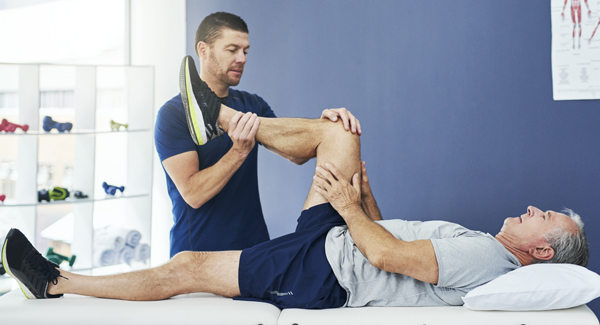
Arthritis is a condition characterized by joint inflammation, which can cause stiffness and discomfort. Many people living with arthritis seek ways to manage these symptoms and maintain their mobility. Physical therapy offers a structured approach to help individuals navigate the challenges of arthritis. A physical therapist can design a personalized program to improve function and support overall well-being.
How Does Physical Therapy Help?
Physical therapy aims to restore and improve movement. For individuals with arthritis, a therapist focuses on strengthening the muscles around affected joints. Stronger muscles provide better support, which can reduce stress on the joints. This process helps improve stability and makes daily activities easier.
A physical therapist also works with you to increase your joints’ range of motion. Gentle stretching and movement exercises help combat the stiffness associated with arthritis. The goal is to maintain as much flexibility as possible, preserving your ability to move freely. A therapist will guide you through exercises tailored to your specific condition and level of comfort.
Beyond exercises, physical therapists provide education on how to perform daily tasks with less strain on your joints. This includes learning new ways to lift objects, get up from a chair, or climb stairs. These modifications help protect your joints from additional stress, contributing to long-term symptom management.
What Techniques Ease Joint Pain?
A physical therapist may use several techniques to help manage arthritis-related discomfort. These methods are selected based on your specific needs and are part of a comprehensive care plan. The focus is on providing relief and improving your ability to participate in therapeutic exercises.
- Manual Therapy: This hands-on technique involves the therapist using skilled hand movements to manipulate and mobilize joints and soft tissues. It may help reduce stiffness and improve the joint’s range of motion.
- Therapeutic Exercise: Therapists design specific exercise programs to strengthen muscles, improve flexibility, and enhance balance. These exercises are tailored to your abilities and are progressed as you get stronger.
- Hot and Cold Therapy: Applying heat can help relax muscles and soothe stiff joints. Cold packs may be used to reduce inflammation and numb acute pain.
- Hydrotherapy: Performing exercises in a warm water pool can be very beneficial. The water’s buoyancy supports your body weight, reducing stress on painful joints as you move.
These techniques are often combined to create a personalized treatment plan. Your physical therapist will work with you to determine the most effective approach for managing your arthritis symptoms and helping you reach your movement goals.
Does Therapy Reduce Medication Needs?
Physical therapy can be a key part of your arthritis management plan. By improving joint function and reducing pain it may complement your existing treatments. A consistent program strengthens your body and improves your ability to manage symptoms through movement and lifestyle adjustments.
The skills you learn in physical therapy empower you to take an active role in your own care. Learning how to move safely, manage flare-ups, and perform home exercises gives you the tools to handle symptoms independently. This proactive approach can enhance your overall management strategy, working alongside any medications your doctor has prescribed.
Consult an Arthritis Specialist
Physical therapy provides a structured, supportive approach to managing arthritis symptoms and improving joint function. By strengthening muscles, increasing flexibility, and teaching you how to move with less strain, it helps you maintain an active lifestyle. Talk to a specialist who can help you understand if physical therapy is a suitable option for you. A professional can assess your specific situation and guide you toward a management plan tailored to your needs.