
Varicose veins are a common medical condition affecting the vascular system, often appearing as twisted or enlarged veins in the legs. Patients may seek medical intervention to alleviate discomfort or improve the appearance of the affected area, and sclerotherapy is an effective treatment. Here is more information on the condition, clinical symptoms, and the specific role sclerotherapy plays in treatment protocols:
What Are Varicose Veins?
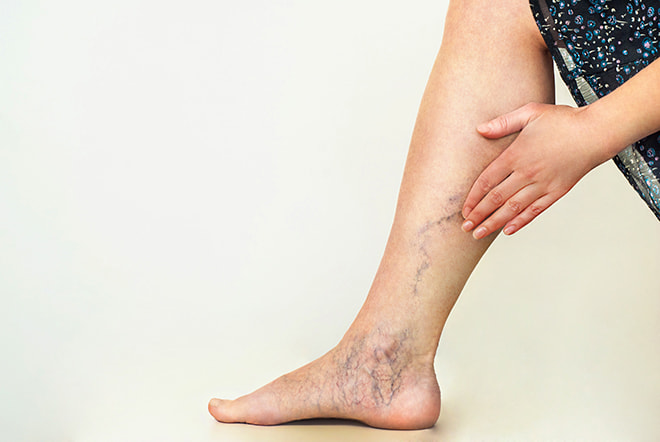
Varicose veins occur when the valves inside the veins weaken or become damaged, causing blood to pool instead of flowing back to the heart. This accumulation leads to vein stretching or swelling, and it may result in a visible blue or purple bulging line under the skin. While lifestyle changes may help with mild cases, medical treatments such as sclerotherapy are often required for lasting relief.
Genetics plays a significant role in the development of vascular issues, and age increases the likelihood of valve deterioration. Hormonal changes during pregnancy or menopause also contribute to the condition, as does obesity. Standing or sitting for prolonged periods restricts blood flow, increasing pressure on the veins in the legs.
What Are the Symptoms?
Patients with varicose veins may report sensations of heaviness or aching in their legs, particularly after standing for long periods. Swelling in the lower legs is common, and the skin around the vein may become discolored or itchy. In more severe cases, painful ulcers may form near the ankles and require immediate medical attention to prevent infection.
What Is Sclerotherapy?
Sclerotherapy is a minimally invasive medical procedure used to treat varicose veins and spider veins. A healthcare provider injects a chemical solution directly into the affected vein, irritating the blood vessel lining. The body eventually absorbs the treated vein, and blood flow naturally reroutes to healthier veins nearby. Physicians select the sclerosing agent based on the size of the vein being treated.
How Does It Work?
Ultrasound guidance is utilized to visualize the vein during the injection, enhancing precision and safety. The provider monitors the procedure on a screen, and this allows for accurate needle placement within the vein. Multiple injections may be administered in a single session to address various sections of the affected vasculature.
Once the vein is sealed, it transforms into scar tissue that fades over time. Compression stockings are usually prescribed after the procedure, as they help maintain pressure on the treated veins. Patients may return to normal daily activities immediately, although strenuous exercise should be avoided for a few days.
What Are the Benefits?
Sclerotherapy helps eliminate treated veins, and it provides symptom relief. The procedure is performed on an outpatient basis, meaning no hospital stay is necessary. It is a valuable option for small to medium-sized varicose veins, and it requires minimal recovery time.
Patients may seek treatment for aesthetic reasons, yet the medical benefits include reduced swelling and pain relief. Eliminating the damaged vein improves overall venous circulation, and blood is redirected to healthy vessels. This restoration of proper blood flow mitigates the risk of future complications such as blood clots.
Treat Your Varicose Veins Now
Varicose veins can lead to ongoing discomfort if left untreated, but medical interventions offer effective solutions. Sclerotherapy is a beneficial treatment option for addressing both the cosmetic and physical symptoms associated with this condition. Consult with a vascular specialist to determine if this procedure aligns with your specific medical needs.