
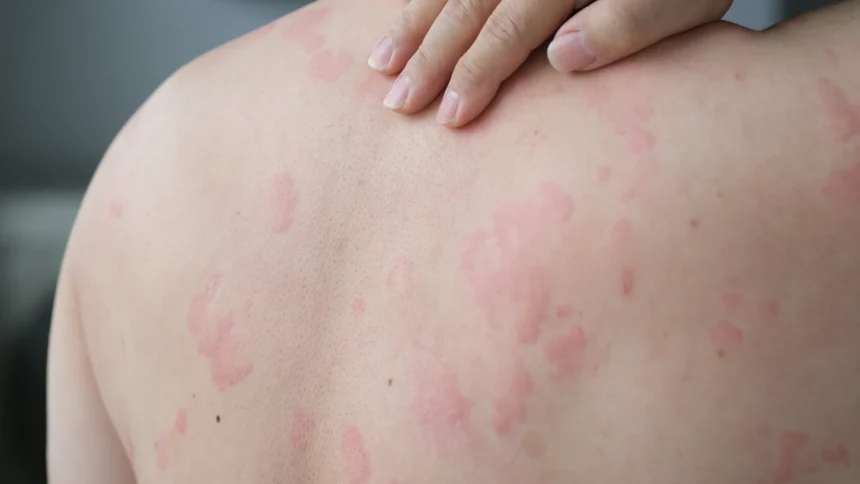
Hives appear as raised, itchy welts on the skin. These welts may vary in size and can appear anywhere on the body. While many factors contribute to hive outbreaks, stress is a trigger for some individuals. Here is some information about the role of stress in triggering hives:
Hormonal Changes
When you experience stress, your body releases a variety of hormones as part of its natural “fight or flight” response. The adrenal glands produce cortisol and adrenaline, which prepare the body to respond to perceived threats. These hormones increase heart rate and blood pressure. For some, this hormonal surge disrupts the normal function of skin cells, potentially leading to hives. Heightened cortisol levels may influence inflammatory pathways, making the skin more reactive. While some people’s skin stays calm under stress, others are more prone to hives. The link between stress hormones and skin reactions is a complex interplay involving genetic, physiological, and environmental factors.
Hives can appear on nearly any part of the body and often present as raised, itchy welts or patches. They commonly occur in areas such as the:
- Arms
- Legs
- Back
- Torso
- Face
- Neck
- Scalp
Some individuals experience hives in localized regions, while others might see them spread across larger areas of the skin. In severe cases, hives can develop in sensitive areas such as the lips, tongue, or throat, which often require immediate medical attention. Understanding where hives may appear can help individuals monitor their symptoms and seek appropriate care if needed.
Chemical Responses
Stress also prompts the body to release other chemicals, including histamine. Histamine is released by mast cells, a type of immune cell found throughout the body, including the skin. When histamine is released, it causes blood vessels to leak fluid into surrounding tissues, leading to swelling, redness, and itching.
A significant emotional or physical stressor might trigger this chemical response, leading to a sudden outbreak. These episodes can arise quickly, and the hives may come and go within hours or persist for days. Certain medications used to manage stress, like some antidepressants, may also interact with histamine pathways, further influencing how a person reacts. It is often beneficial to reduce or manage stress as part of an overall strategy to minimize the frequency or severity of hive outbreaks.
Immune System Triggers
Your immune system plays a direct role in how your body manages stress. Chronic stress potentially weakens the immune system’s ability to self-regulate, making it more susceptible to hives flare-ups. Over time, stress may cause the body’s inflammatory response to become less well-controlled. An overactive immune response may cause the body to react to stress as if it were an allergen, releasing chemicals that produce hives. The immune system, influenced by ongoing stress, could trigger skin reactions that would not otherwise occur.
Treat Hives Today
Navigating hive outbreaks can be challenging, especially when stress is a contributing factor. Identifying your specific triggers is a positive step toward managing the condition and finding relief. Learning about the body’s stress responses and their effects on the skin provides a foundation for addressing symptoms in an informed and practical way. Talk with a healthcare provider today to discuss a treatment plan that fits your needs.