

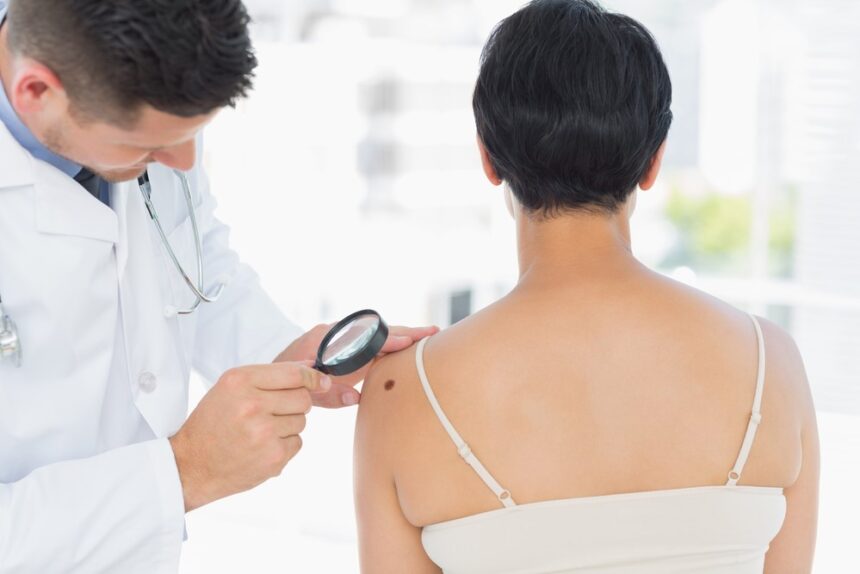
Dermatology includes multiple specialized areas that address a variety of skin health needs. Medical dermatologists treat conditions such as acne, rosacea, psoriasis, and skin cancer, while cosmetic dermatologists focus on aesthetic procedures like Botox and fillers. Although medical and cosmetic dermatology are the main branches, other specialties also address specific concerns and treatment approaches. Here are a few types of specialties to look at when exploring the various specializations within dermatology:
Medical Dermatology
Medical dermatology focuses on diagnosing and treating health-related skin conditions. Physicians manage disorders affecting the skin, hair, and nails, including acne, psoriasis, rosacea, and skin cancer. Board-certified dermatologists complete extensive training in this field, allowing them to examine suspicious moles and perform skin cancer screenings. They also treat chronic conditions such as eczema and autoimmune skin disorders.
Medical dermatologists see patients of all ages, addressing concerns from childhood acne to age-related skin changes. Many conditions require ongoing management rather than a single treatment. By monitoring symptoms and adjusting care plans, these specialists help patients maintain healthy skin over time.
Cosmetic Dermatology
Cosmetic dermatology focuses on improving the appearance of the skin, and it addresses concerns such as wrinkles, age spots, and uneven texture. Treatments aim to enhance skin aesthetics while also supporting overall skin health. Although these procedures do not treat medical conditions, they can boost confidence and appearance.
Popular procedures include Botox injections, dermal fillers, microneedling, and chemical peels. Many cosmetic dermatologists combine medical and aesthetic training, which allows them to understand both skin health and appearance. Because of this dual expertise, specialists can provide care that addresses cosmetic goals alongside overall skin well-being.
Pediatric Skin Specialist
Pediatric dermatology focuses on the unique skin needs of children, who often present with conditions that differ from those of adults. Birthmarks, genetic skin disorders, and childhood rashes require specialized knowledge, and treatment approaches must account for differences in skin thickness and sensitivity. Pediatric specialists also address parents’ questions and concerns while managing conditions from infancy through adolescence. Common issues include diaper rash, molluscum contagiosum, and teenage acne, with some resolving naturally and others requiring intervention.
Dermatopathology Expertise
Dermatopathology combines dermatology and pathology to examine skin tissue samples under a microscope, enabling specialists to diagnose a wide range of conditions. They work with dermatologists to clarify complex cases, including skin cancer detection and staging. This field requires fellowship training beyond residency, and practitioners must understand both clinical presentations and microscopic findings. Their findings guide treatment decisions and support comprehensive patient care.
Mohs Surgery
Mohs surgery is a specialized dermatologic procedure that removes skin cancer layer by layer, and surgeons examine each layer immediately to detect any remaining cancer cells. This technique allows for precise removal while preserving healthy tissue, and patients typically return home the same day. Recovery instructions may vary depending on the procedure and individual needs.
Mohs surgeons complete fellowship training after dermatology residency, gaining expertise in both surgical techniques and the interpretation of pathology. Because they combine these skills, they are distinguished from general dermatologists. Their training supports accurate assessment and treatment of complex skin cancer cases.
Finding the Right Specialist Today
Different dermatology specialists best address various skin concerns. Medical dermatologists treat conditions like acne, eczema, and skin cancer, while cosmetic dermatologists focus on procedures such as Botox, fillers, and skin rejuvenation. Some providers offer combined expertise for patients with both medical and aesthetic needs. Schedule a consultation with a dermatologist to find the right specialist for your specific skin concerns.