

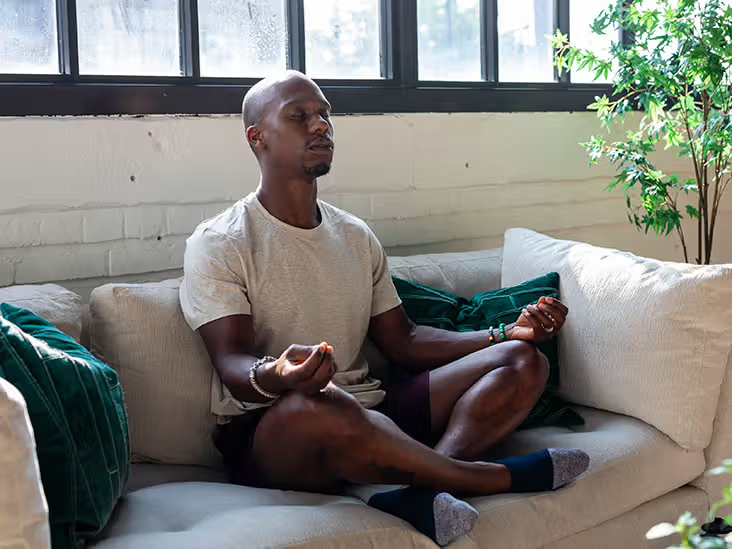
Anxiety is an emotional response to stress, but when it becomes persistent or overwhelming, it interferes with daily life and overall well-being. A variety of techniques and treatments help manage anxious feelings and restore a sense of calm and control. Here are some effective techniques and treatments for managing anxiety:
Overview of Anxiety and Its Triggers
Anxiety is your body’s natural response to stress or danger. When anxiety becomes too strong or happens too often, it interferes with your daily life. A disorder causes serious and disruptive anxiety on a regular basis. Common symptoms include frequent nervousness, difficulty focusing, constant worry, rapid heartbeat, shaking, sweating, breathing too fast, trouble sleeping, and stomach problems.
Triggers vary from person to person but often include stressful life events, work pressure, relationship problems, health concerns, or financial worries. Some people also have anxiety that runs in their families. Understanding your personal triggers helps you better prepare for and manage anxious moments.
Techniques for Natural Relief
Managing anxious feelings can be achieved through various natural techniques that promote relaxation and mental well-being. Here are practical methods that can help reduce symptoms:
- Practice deep breathing exercises: Engage in controlled breathing techniques to calm the nervous system.
- Maintain regular physical activity: Exercise helps to reduce stress hormones and improve mood.
- Adopt mindfulness and meditation practices: Set aside time to meditate or practice mindfulness to center your thoughts and reduce excessive worrying.
- Incorporate a healthy sleep routine: Prioritize consistent, high-quality sleep, as lack of rest often worsens symptoms.
- Limit caffeine and alcohol consumption: Both substances can exacerbate anxiety, so regulating their intake is key.
- Engage in grounding techniques: Grounding strategies help focus your senses and distract them from anxious thoughts.
Incorporating these natural strategies into your daily routine cultivates a sense of calm that enables you to face challenging situations effectively.
Treatment Options
Sometimes, natural techniques aren’t enough, and professional treatment becomes helpful. Here are the most common treatments for anxiety:
- Therapy (Psychotherapy): Therapy helps individuals learn new ways to think about and respond to anxiety. A trained therapist teaches specific skills to manage worrying thoughts and anxious feelings.
- Medication: Medications for anxiety disorders are often prescribed to alleviate symptoms. It’s worth noting that about half of individuals with anxiety disorders do not achieve the desired outcomes with standard medications alone, necessitating alternative treatments.
- Ketamine Therapy: Ketamine works differently from standard medications, making it a valuable alternative for treatment-resistant cases of anxiety. This treatment provides rapid relief for symptoms within 40 minutes.
Exploring these professional treatments can supplement or replace natural techniques, offering pathways to better manage anxiety and improve overall well-being.
Strategies for Long-term Resilience
Managing anxiety isn’t just about handling symptoms when they appear. Building long-term resilience helps prevent anxious feelings from becoming overwhelming in the first place. Creating a support network is fundamental for long-term success. This may include family, friends, support groups, or mental health professionals. Having people to talk to when anxious feelings strike can make a huge difference.
Practicing mindfulness and staying present also helps to build resilience. When anxiety makes your mind race with worried thoughts about the future, grounding techniques can bring you back to the present moment. Simple activities, such as focusing on your five senses or paying attention to your surroundings, can interrupt anxious thinking patterns.
Explore Treatments for Anxiety Today
Managing anxious feelings takes time, but the right combination of techniques and treatments can help you feel more in control. Natural methods like breathing exercises, regular exercise, and good sleep habits work well for many people. Professional treatments, including therapy and specialized options like ketamine therapy, can provide further support when needed. If anxiety is interfering with your daily life, contact a trusted specialist near you to book your appointment and explore available treatment options.