

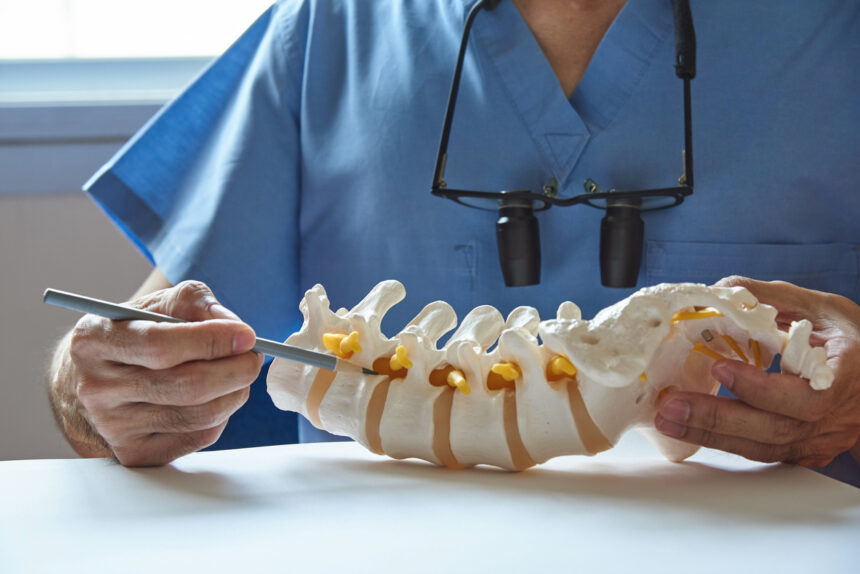
Spinal fusion is a surgical procedure intended to join two or more vertebrae in the spine. For many years, this was performed through traditional open surgery, which involves a long incision to allow the surgeon direct access to the spinal column. Advances in medical technology have led to the development of minimally invasive surgical (MIS) techniques. Minimally invasive spinal fusion aims to achieve the same surgical objectives as open surgery but through smaller incisions and with less disruption to surrounding muscles and tissues.
What Is Minimally Invasive Spinal Fusion?
Minimally invasive spinal fusion is a surgical technique used to stabilize the spine. The procedure involves creating one or more small incisions near the targeted area of the spine. Using this channel, the surgeon can access the spine to perform the fusion. Specialized surgical instruments are passed through the retractor. The surgeon then removes the damaged disc between the vertebrae. They will insert a bone graft or a synthetic substitute in its place. This material facilitates the process by which the vertebrae grow together into a single, solid bone over time. Screws and rods may be used to hold the vertebrae in place while the fusion occurs.
What Are the Benefits?
The minimally invasive approach to spinal fusion is associated with several potential advantages stemming from its technique of avoiding large muscle incisions. By working through smaller openings and gently parting muscle tissue instead of cutting it, the procedure can lead to less disruption to the body. Potential benefits often associated with MIS spinal fusion include:
- Reduced Muscle Damage: The use of minimally invasive methods helps to minimize damage to the muscles and soft tissues surrounding the spine.
- Smaller Incisions: The smaller incisions may result in less scarring compared to traditional open surgery.
- Less Blood Loss: Reduced tissue disruption during the procedure can lead to less blood loss.
- Potentially Faster Recovery: A less disruptive surgical approach may contribute to a quicker return to daily activities for some patients.
These benefits are potential outcomes and are not guaranteed. The results of any surgical procedure can vary based on the individual patient, the specific condition being treated, and other factors.
What Should You Expect?
The process for a minimally invasive spinal fusion typically begins with a thorough evaluation by a surgical team. If this procedure is deemed a suitable option, the surgical team will explain the process and what to anticipate. On the day of the surgery, you will be placed under general anesthesia. After the fusion is complete, the instruments are removed, and the incisions are closed with sutures or surgical staples.
Post-procedure recovery begins in the hospital, where your pain level and vital signs will be monitored. Most patients are discharged within a few days. The recovery period at home involves activity restrictions, pain management, and often physical therapy to help rebuild strength and flexibility. The fusion process itself, where the bones grow together, takes several months to complete.
Confer With a Medical Professional
Every patient’s condition is unique, and the suitability of any surgical technique depends on many individual factors. Discussing your specific spinal condition, treatment options, and any questions you have with a qualified surgeon is the best way to receive personalized information and guidance. A medical professional can conduct a comprehensive evaluation to determine the most appropriate course of action for your specific health needs.