
Acne is a common skin condition that affects many people at some point in their lives, and understanding its complexities is the first step toward managing it. It appears when hair follicles become clogged with oil and dead skin cells, leading to various types of blemishes. Here is more information on the causes, types, and symptoms of acne, along with the available acne treatments:
What Is Acne?
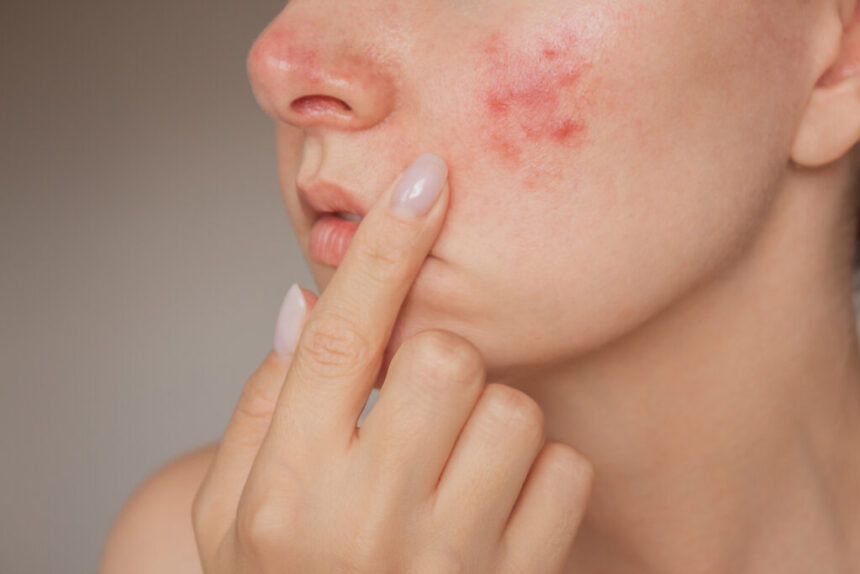
Acne is a skin disorder characterized by the formation of pimples, blackheads, and whiteheads on the skin’s surface, often appearing on the face, chest, back, and shoulders. This condition is not just a cosmetic issue; it can also affect overall well-being. Proper acne treatment aims to reduce breakouts and prevent scarring, while addressing the underlying factors that contribute to the condition.
What Causes It?
Several factors contribute to the development of acne, often working in combination. The primary causes include excessive oil production, clogged hair follicles due to oil and dead skin cells, and bacterial growth. Hormonal changes, particularly during puberty, menstruation, and pregnancy, can also trigger or worsen acne. Diet and other lifestyle choices are additional contributing factors, so identifying personal triggers is part of an effective management plan.
What Are the Different Types?
Acne presents in various forms, and each type has distinct characteristics. Non-inflammatory acne includes blackheads and whiteheads, which form when pores become clogged with sebum and dead skin cells. Blackheads are open at the skin’s surface, causing the contents to oxidize and turn dark, while whiteheads are closed.
Inflammatory acne is often more severe and can be painful; this category includes papules, pustules, nodules, and cysts. Papules are small, red bumps, whereas pustules are similar but contain pus. Nodules are large, solid lumps beneath the skin’s surface, and cysts are painful, pus-filled lumps that can lead to scarring.
What Are the Symptoms?
The symptoms of acne vary depending on the severity and type of the condition, so recognizing them is useful for seeking appropriate care. Common symptoms include the presence of whiteheads, blackheads, and pimples on the skin. In more moderate cases, individuals may experience numerous papules and pustules.
Severe acne is characterized by nodules and cysts, which can be large and painful to the touch. These lesions have the potential to persist for weeks or months. Skin may also appear red and inflamed in affected areas, and post-inflammatory hyperpigmentation or scarring can occur after blemishes heal.
What Does Acne Treatment Involve?
Acne treatment is multifaceted and often involves a combination of approaches tailored to the individual’s skin type and the severity of their condition. A foundational step is identifying and eliminating triggers that exacerbate breakouts. This may involve making dietary adjustments or practicing mindfulness techniques.
For some individuals, hormonal imbalances contribute to acne, so bioidentical hormone replacement therapy may be evaluated to restore balance. This therapy uses hormones that are structurally identical to those produced by the body. It is administered under medical supervision to address hormonal fluctuations that lead to acne.
Certain supplements may support skin health and help manage acne. Supplements such as milk thistle, zinc, and vitamin B6 possess properties that help reduce inflammation and support skin function. Chaste tree berry and omega-3 fatty acids are other options that may be beneficial for managing acne.
Explore Holistic Treatment Options Today
Managing acne involves understanding its causes, identifying its types, and recognizing its symptoms. Treatment approaches are varied, ranging from eliminating triggers to taking targeted supplements. By exploring these options, individuals can find a plan that addresses their specific needs. To learn more about creating a personalized treatment strategy, consult with a healthcare professional.