

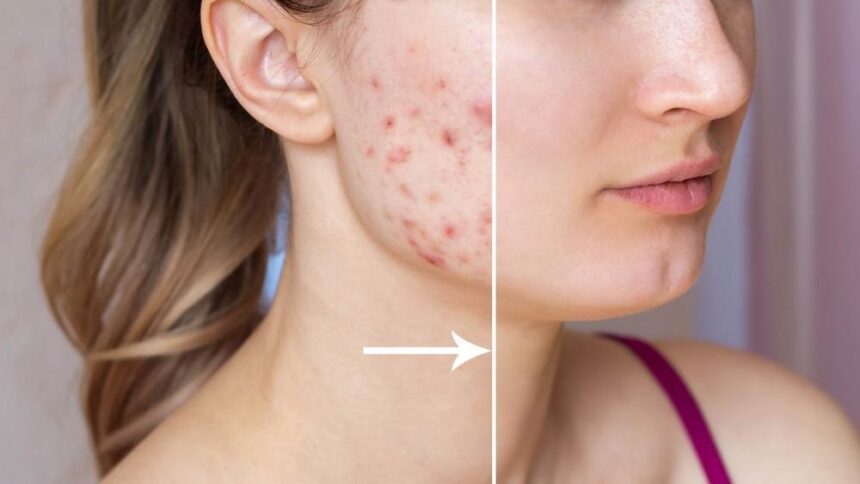
Acne is a common skin condition, especially among teens and young adults. While some acne can be managed with basic skincare, more persistent cases and scarring may require professional help. Here is some information about the different treatments a dermatology professional can recommend for both active acne and the scarring that can follow.
Topical Treatments
For mild to moderate acne, a dermatology professional may recommend topical treatments that you apply directly to your skin. Common options include retinoids, such as tretinoin or adapalene, which effectively prevent clogged pores. Benzoyl peroxide is another widely used treatment that fights acne-causing bacteria on your skin. These are often the first step in managing your acne.
Your dermatologist might also prescribe topical antibiotics, such as clindamycin, to reduce acne-causing bacteria, often alongside other treatments to maximize effectiveness. If you find retinoids too irritating, azelaic acid offers a gentle alternative that also provides anti-inflammatory benefits. These tailored approaches aim to clear your skin and prevent future breakouts.
Systemic Treatments
When topical treatments aren’t enough, your dermatologist might recommend oral medications. Oral antibiotics, such as doxycycline, minocycline, and tetracycline, can help reduce bacteria and inflammation, especially in inflammatory acne. Treatments usually last between 12 and 24 weeks.
For severe, cystic acne, isotretinoin is often the most effective option. This oral medication works by reducing oil production and preventing new breakouts. If you are a female patient with hormonally driven acne, hormonal therapies such as specific oral contraceptives or spironolactone might be beneficial. Your dermatologist will guide you through these options and closely monitor your progress.
Professional Treatments
Acne scarring can affect up to 95% of people with acne, often leaving lasting changes in skin texture classified as ice pick, boxcar, or rolling scars. Because the proper treatment depends on your specific scar type and skin characteristics, a tailored approach is highly effective for achieving the best results. Your dermatologist can recommend various professional treatments, such as:
- Chemical Peels: Acids such as glycolic or salicylic acid are used to remove the damaged outer layers of the skin and encourage collagen production.
- Laser Resurfacing: This treatment uses focused light to create controlled micro-injuries in the skin, which stimulate healing and collagen remodeling.
- Microneedling: This procedure uses fine needles to create tiny punctures in the skin, triggering its natural healing process.
- Subcision: Best for rolling scars, this minor surgical technique uses a special needle to break up fibrous tissue under the skin, allowing it to lift and even out.
These treatment options, when tailored to individual skin types and concerns, can significantly improve the appearance of acne scars over time. Consult with a qualified dermatologist to determine the most effective approach for your unique needs.
Make a Dermatology Appointment Today
Most acne treatments take 8 to 12 weeks to show significant results, and combining therapies often yields the best results. Your dermatologist will likely start with milder treatments and adjust as needed based on how your skin responds. Scar treatments usually require multiple sessions, and while they may not completely disappear, they can significantly improve your skin’s texture. Remember that consistent application and regular check-ups are key to achieving the best results.