
Pelvic floor disfunction occurs when the muscles supporting your pelvic organs don’t function properly, potentially leading to issues like incontinence or pelvic pain. This condition can affect anyone, often after events like childbirth or due to age. Always consult a healthcare professional before starting any new exercise program to confirm it’s appropriate for you.
Identifying the Pelvic Floor Muscles
Before you begin any exercises for pelvic floor disfunction, it’s beneficial to identify your muscles correctly. These muscles form a sling at the base of your pelvis, stretching from your pubic bone to your tailbone. One common way to find them is to try to stop the flow of urine midstream; the muscles you notice contracting are your pelvic floor muscles. This is just for identification, not a regular exercise, as it can disrupt normal bladder function. Once you know where they are, you are able to then focus on working these specific muscles without tensing your abdomen, buttocks, or thighs.
Performing Pelvic Floor Exercises
Pelvic floor muscle exercises, commonly known as Kegels, are a key way to manage pelvic floor dysfunction. These exercises involve purposefully contracting and relaxing your pelvic floor muscles. Doing so consistently helps to build both strength and endurance in these key muscles.
To perform a Kegel, gently tighten your pelvic floor muscles upward and hold the contraction for a few seconds. Imagine lifting these muscles, then fully releasing and relaxing them. Remember to focus only on your pelvic floor, avoiding any tension in your abdomen, buttocks, or thighs.
Consistent practice is key to seeing real improvement from these exercises. As your muscles get stronger, you will be able to gradually increase both the duration of each contraction and the number of repetitions. We recommend aiming for three sets of these exercises every day to achieve the best results.
Integrating Core Stability Exercises
Beyond targeted pelvic floor exercises, strengthening your core can provide significant additional support. Your pelvic floor is actually a key part of your body’s deep core system, which also involves your diaphragm, deep abdominal muscles, and back muscles. A strong core helps stabilize your pelvis, which can reduce strain on your pelvic floor and promote overall health.
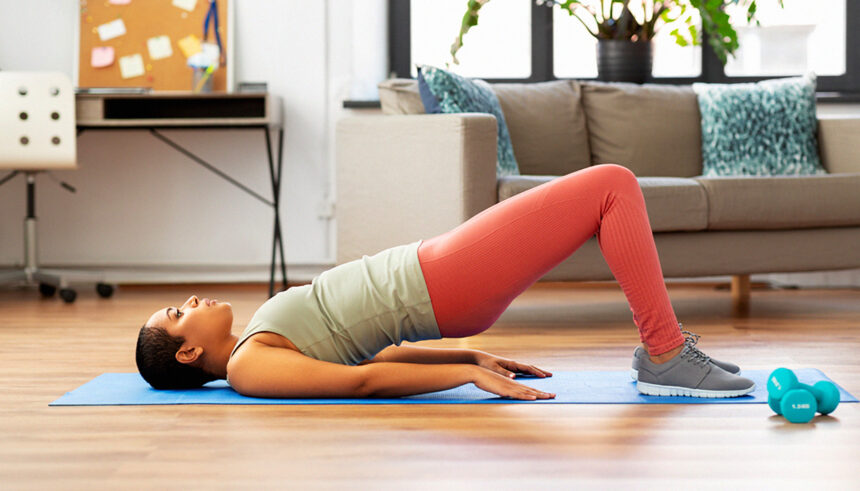
To get started, try incorporating exercises like the Bridge and Bird-dog into your routine. The Bridge involves gently lifting your hips while lying on your back, engaging your core and pelvic floor. For the Bird-dog, you’ll extend an arm and opposite leg while on your hands and knees, keeping your back flat. Remember to focus on controlled movements and proper breathing, making sure those deep core muscles are engaged throughout each exercise.
Pelvic Floor Disfunction Support
Managing pelvic floor dysfunction is an ongoing process. Regular exercise and consultation with a healthcare professional are key components of a successful management plan. A physical therapist specializing in pelvic health can provide a personalized exercise program tailored to your specific condition and goals. By consistently working to strengthen your pelvic floor and core, you can improve function and reduce symptoms over time.