

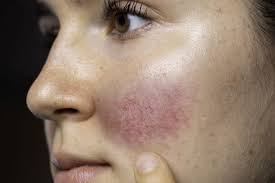
Rosacea warts present unique challenges for both patients and dermatologists. These skin growths combine features of rosacea and warts, which can lead to confusion about proper identification and treatment. By understanding the differences between these conditions, patients may seek appropriate medical care and avoid complications. Here are a few things to know when recognizing and treating rosacea warts:
Rosacea Wart Overview
Rosacea warts are not a single condition but rather two separate skin issues that can appear at the same time. Rosacea commonly affects the central face, often with persistent redness and visible blood vessels, while warts are small, benign growths caused by a viral infection. These conditions may co-occur, making identification more complex. Warts often appear as rough or hard bumps, and their color can vary from skin-toned to reddish or brownish.
The presence of both rosacea and warts on the face may require careful evaluation by a dermatologist. Each condition develops differently and may involve distinct management approaches. Observing changes in skin texture or appearance can help guide assessment. Seeking professional guidance allows both issues to be adequately monitored and addressed in a coordinated manner.
Symptom Signs
Facial warts in rosacea areas can present in a variety of forms, making identification and assessment challenging. Professional dermatological evaluation can help distinguish between these overlapping conditions and guide appropriate care strategies. Some of the common signs and symptoms often include the following:
- Warts: rough, rugged, raised, or flat skin growths
- Rosacea: persistent facial redness, visible blood vessels, flare-ups
- Facial location: commonly affects the cheeks, nose, and forehead
- Warts caused by HPV: transmitted through direct skin contact
- Risk factors for rosacea: fair skin, age over 30, genetic predisposition
- Triggers: stress, hormonal changes, certain medications, environmental factors
Because warts and rosacea can appear together, careful observation and professional assessment are recommended. Understanding these signs supports informed discussions with a dermatologist and helps guide decisions about treatment and management options.
Treatment Approaches
Dermatologists use several methods to manage facial warts, each tailored to the patient’s needs. Cryosurgery freezes warts with liquid nitrogen, causing controlled tissue destruction and often requiring multiple sessions for complete removal. Topical medications provide a less invasive option, gradually eliminating wart tissue while preserving surrounding skin, though consistent application is key for best results. Laser therapy targets stubborn or recurrent warts precisely, minimizing impact on nearby skin, and is especially useful for facial areas where cosmetic outcomes are a priority.
Outcome Management
Wart treatment success depends on size, location, and immune response, with facial warts often requiring more extended care than those in other areas. Complete removal may take months, and some warts can return, requiring additional sessions. Coordinating rosacea management with wart treatment requires careful planning, as therapies must align without interference. Dermatologists adjust plans based on patient responses to address both conditions effectively.
Preventing facial warts involves good hygiene, such as handwashing and avoiding the use of shared personal items. Rosacea prevention focuses on minimizing triggers, including sun exposure, spicy foods, alcohol, temperature extremes, stress, and certain skincare products. Regular dermatology check-ups help detect new wart growths and promptly manage rosacea flare-ups.
Moving Forward with Confidence
Understanding warts and rosacea helps patients make informed decisions about their skin health. Professional dermatological care provides accurate diagnosis, and it guides effective treatment planning for both conditions. Early evaluation allows for timely intervention, which can prevent complications and improve overall outcomes. Call today to schedule an appointment so a dermatology specialist can discuss personalized treatment options and next steps.