

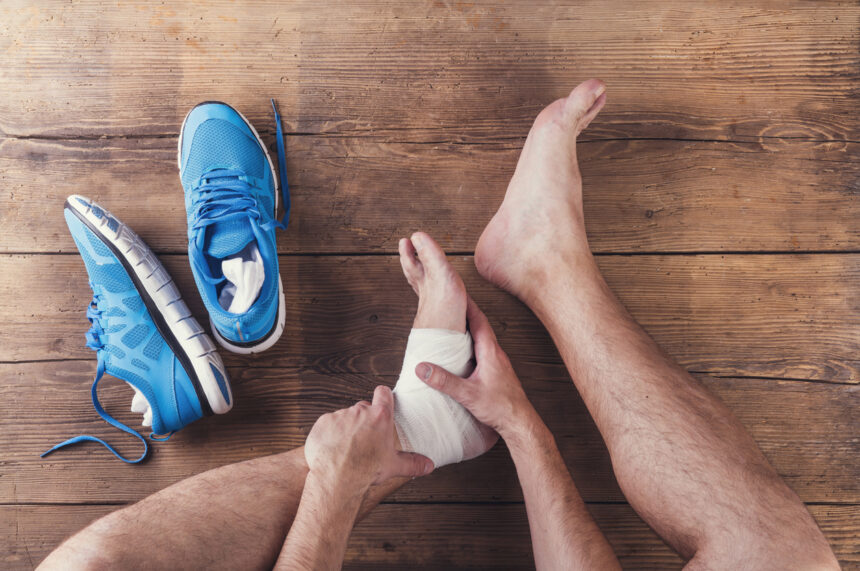
The human foot is structured from bones, ligaments, tendons, and muscles, and it plays a key role in supporting the body and enabling movement. Because they are subjected to repetitive stress and varied activity, the feet are vulnerable to a range of injuries. A foot injury causes pain, swelling, or limited mobility, and it may affect balance, posture, and overall daily function. Here are several types of foot injuries and helpful prevention strategies:
Acute Traumatic Injuries
An acute foot injury can result from a sudden impact or an awkward movement, such as a fall or a collision. In some cases, these episodes cause immediate discomfort and mobility changes. Acute traumatic injuries include:
- Sprains and Strains: Sprains occur when ligaments, which connect bones, stretch or tear, such as after the ankle turns in an unnatural direction. Strains involve muscles or tendons and can happen during physical activity. Observable symptoms of both injuries include pain, swelling, and difficulty with weight-bearing.
- Fractures: A fracture involves a break in one or more of the foot’s bones. Direct impacts, drops, or severe twists are possible causes. Stress fractures, a distinct category, present as small cracks caused by repeated force, often linked to overuse in sports or heavy daily activity.
Rest periods help support recovery for these injuries, and they may reduce the risk of further tissue complications. Proper evaluation by a healthcare professional verifies that the foot injury is accurately diagnosed and treated. Rehabilitation exercises and gradual return-to-activity plans help restore strength and mobility.
Overuse and Chronic Injuries
Overuse injuries develop gradually due to repeated strain on foot structures, and insufficient rest may worsen the effects. Plantar fasciitis is a common example, in which the plantar fascia, a thick band of tissue beneath the foot, becomes inflamed. Individuals frequently experience heel pain, especially during their first steps in the morning.
Achilles tendonitis is another chronic concern, as the Achilles tendon connecting the calf muscles to the heel can become irritated or inflamed. This condition affects many people, including middle-aged individuals participating in occasional sports and frequent runners. These individuals may experience pain or stiffness in the back of the heel. Plantar fasciitis and Achilles tendonitis can interfere with regular movement and daily activities; early recognition and proper management are key to reducing discomfort and preventing further injury.
Injury Prevention Strategies
Integrating effective prevention practices is fundamental for reducing the likelihood of foot injuries. Selecting footwear that offers proper support, cushioning, and a suitable fit for each activity provides key protection. Replacing athletic shoes when they show signs of excessive wear can also be beneficial.
Excess body weight increases pressure on the feet. It may lead to a higher risk of conditions like stress fractures. Sustaining a healthy weight is a helpful strategy for long-term foot health. Regular stretching of the calf muscles, Achilles tendon, and plantar fascia enhances flexibility. Strength training stabilizes the foot and ankle, decreasing the likelihood of injury. A balanced routine encourages resilience and mobility.
Technique during physical activity also impacts injury risk. Gradually increasing exercise intensity, rather than sudden escalations, allows tissues to adapt. Immediate response to pain by modifying or pausing activity serves as a fundamental safeguard.
Treat Your Foot Injury Today
Foot injuries can result from sudden events or long-term overuse, and understanding their causes helps guide prevention and recovery. Recognizing injury types and applying preventive strategies supports continued mobility and comfort. Focus on wearing supportive footwear, maintaining a healthy weight, practicing stretching and strengthening routines, and moving attentively. If discomfort persists or uncertainty remains, seek guidance from a qualified foot health professional.