

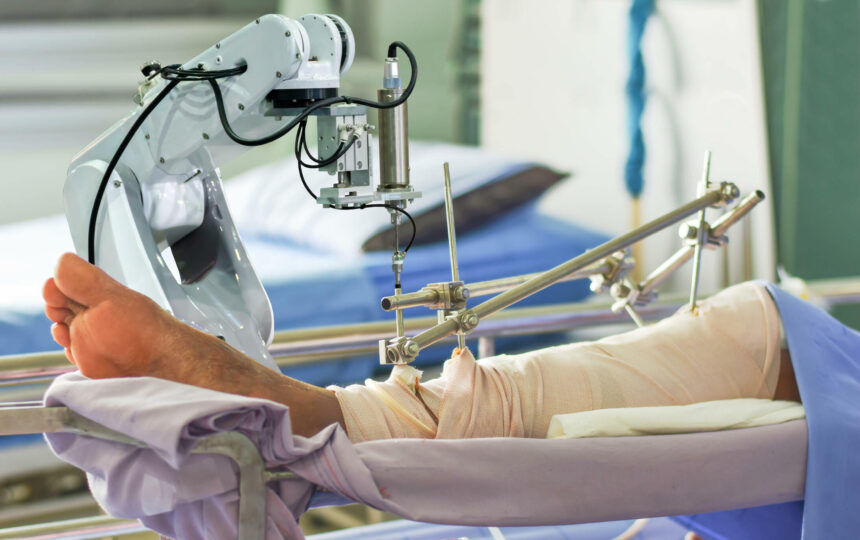
Robotic joint replacement surgery involves an orthopedic surgeon using computer-guided, robotic-assisted tools to plan and perform a joint replacement. This technology is designed to assist the surgeon by providing detailed anatomical information and precise guidance during the procedure. The surgeon remains in control throughout the entire operation, utilizing the robotic system as an advanced tool. Here is more information on the benefits of robotic joint replacement surgeries:
Faster Recovery
Robotic-assisted technology is used in minimally invasive joint replacement procedures. This approach focuses on smaller incisions and less disruption to the surrounding muscles and ligaments during surgery. Some common benefits of robotic joint replacement techniques may include:
- Reduced Hospital Stays
- Lower Blood Loss
- Less Scaring
- Decreased Risk of Infection
Using the Mako SmartRobotics System
The Mako SmartRobotics system utilizes a computed tomography-based (CT-based) 3D model of the patient’s joint to create a personalized surgical plan before a procedure. During surgery, the surgeon guides the robotic arm, and haptic guidance technology helps them stay within the planned surgical boundaries. Haptic guidance technology adds control and precision for bone resections and implant positioning. The Mako system provides the surgeon with a detailed view of the patient’s anatomy, allowing for adjustments as needed.
Planning With 3D CT Software
The planning phase is a fundamental component of robotic-assisted joint replacement. Using 3D CT software, the surgical team can create a detailed virtual model of the patient’s joint, which helps them visualize their unique anatomy. 3D models allow surgeons to test different implant sizes and positions. These models help determine the optimal implant fit, and the surgical plan can be adjusted during the procedure to account for specific joint mechanics.
Reduced Pain
With minimally invasive robotic-assisted techniques, joint implants can be placed accurately with more surgical control. Robotic systems contribute to reduced pain by assisting with soft-tissue balancing and controlled preparation of the bone. By minimizing damage to surrounding healthy tissues and achieving better joint alignment, robotic technology helps reduce postoperative inflammation and discomfort. Improved implant fit and stability achieved through robotic assistance may lead to more natural joint function, contributing to reduced wear and strain over time. These factors promote faster recovery and less pain.
Improved Joint Function
The precision of robotic-assisted surgery helps preserve healthy bone, contributing to a more stable and better-fitting implant. During the operation, intraoperative guidance provides real-time data, and this helps surgeons align and position the joint replacement components with better accuracy compared to manual estimation techniques alone. This precise positioning of the implant may support a more natural-feeling joint, as well as a greater range of motion and stability after recovery.
Some common joint pain symptoms include:
- Stiffness
- Swelling and Tenderness
- Grinding or Clicking Sensations
- Increasing Pain During Activity
Learn More About Robotic Joint Replacement
A minor injury, osteoarthritis, or a fracture can cause joint pain. Robotic-assisted joint replacement offers improved functioning and faster recovery. If you are experiencing joint pain, contact an orthopedic surgeon for a consultation to learn more. A medical professional provides details about candidacy and procedure benefits.