

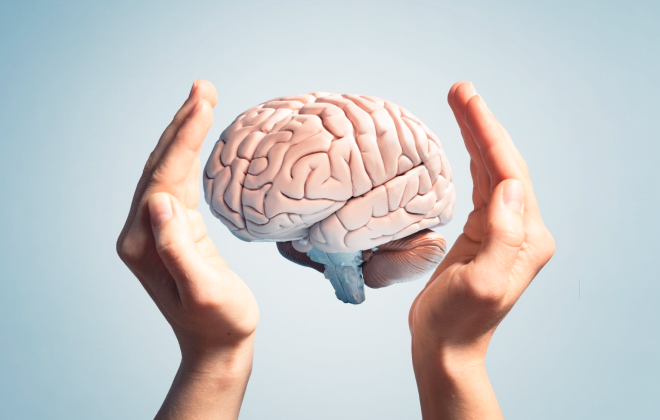
The human brain, a complex organ, coordinates our thoughts, movements, and sensations. It is the control center for the entire body. General neurology is the medical specialty focused on the diagnosis and treatment of conditions affecting the nervous system, which includes the brain, spinal cord, and peripheral nerves. Understanding the basics of brain function and this field can help you navigate your health journey with more clarity. This field addresses a wide array of conditions, from common headaches to more complex disorders.
What Does General Neurology Cover?
General neurology encompasses the intricate network of the nervous system. Neurologists are medical doctors who specialize in this area. They evaluate and manage disorders that impact how the brain communicates with the rest of the body. Their work involves understanding the electrical and chemical signaling that allows for movement, sensation, and thought. This specialty deals with both the central nervous system, which includes the brain and spinal cord, and the peripheral nervous system, which includes all other nerves.
The scope of general neurology is broad. It includes everything from inherited genetic conditions to injuries and infections affecting the nervous system. A neurologist might address issues related to blood flow in the brain, structural problems, or functional disorders in which the nervous system does not function correctly. They help people with chronic pain, memory problems, and movement difficulties. The goal is to identify the source of the symptoms and develop a plan to manage them.
What Are Common Neurological Disorders?
Many different conditions can affect the nervous system. Some are relatively common and may be familiar to you, while others are rare. These disorders can impact a person’s quality of life, affecting their ability to move, speak, and think clearly. Neurologists are trained to recognize the signs of these conditions and guide individuals toward appropriate care.
Here are some common neurological disorders:
- Migraine: A type of headache that can cause intense pulsing or throbbing pain, often accompanied by nausea and sensitivity to light and sound.
- Epilepsy: A condition characterized by recurrent, unprovoked seizures, which are sudden rushes of electrical activity in the brain.
- Stroke: Occurs when the blood supply to part of the brain is interrupted or reduced, preventing that area from receiving oxygen and nutrients.
- Multiple Sclerosis (MS): A disease in which the immune system damages the protective covering of nerves, disrupting communication between the brain and the body.
- Parkinson’s Disease: A progressive disorder that affects nerve cells in the brain responsible for movement, often causing tremors and stiffness.
- Alzheimer’s Disease: A progressive brain disorder that slowly destroys memory and thinking skills.
- Neuropathy: Damage or dysfunction of one or more nerves that typically results in numbness, tingling, muscle weakness, and pain in the affected area.
What Tests Assess Brain Function?
To understand what is happening within the nervous system, neurologists use several diagnostic tests. These tools provide a detailed look at the brain’s structure and activity. The choice of test depends on your specific symptoms and medical history.
Here are some tests used to assess brain function:
- Electroencephalogram (EEG): This test records the brain’s electrical activity through small electrodes attached to the scalp. It helps detect abnormalities in brain waves.
- Magnetic Resonance Imaging (MRI): Using powerful magnets and radio waves, an MRI creates detailed images of the brain and spinal cord. It can show structural issues like tumors or signs of a stroke.
- Computed Tomography (CT) Scan: A CT scan combines a series of X-ray images taken from different angles to create cross-sectional images of the brain. It is useful for quickly viewing the brain to detect bleeding or other acute problems.
- Electromyography (EMG) and Nerve Conduction Studies (NCS): These tests measure the electrical activity of muscles and the speed of nerve conduction. They help diagnose nerve damage and muscle disorders.
These assessments give your doctor valuable information. The results help them form a clearer picture of your neurological health, leading to an accurate diagnosis and a suitable management plan.
Consult a Specialist
Understanding the basics of general neurology and brain function can provide a foundation for recognizing when something may be amiss with your nervous system. If you are experiencing persistent symptoms like headaches, dizziness, memory problems, or weakness, seeking professional guidance is a practical next step. A consultation with a specialist can provide you with clarity and support, helping you navigate your health concerns with confidence.