

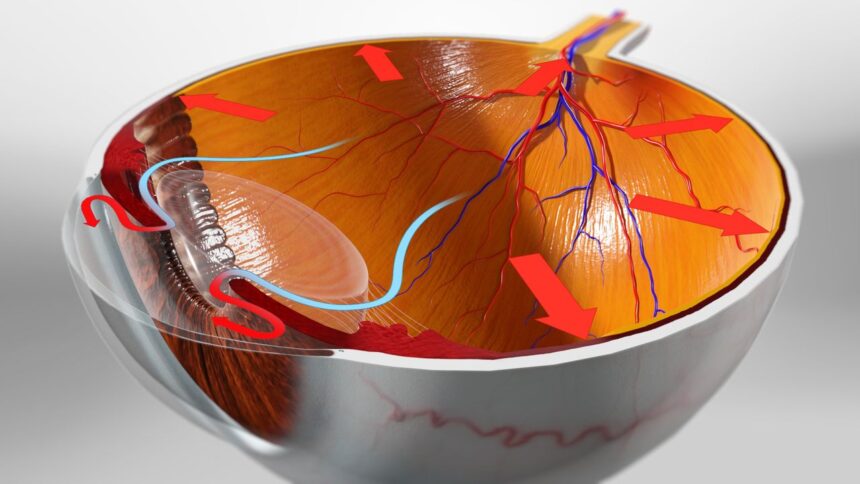
Glaucoma is a group of eye conditions that damage the optic nerve, which serves as the key connection between your eyes and your brain. This damage is often the result of high pressure within the eye. If left unmanaged, the condition can lead to blindness. Here is some information about different types of glaucoma and their impact on vision:
Open-Angle Glaucoma
Open-angle glaucoma is the condition’s most common form, accounting for 90% of cases. With this condition, the drainage angle created by the cornea and iris remains structurally open. Fluid can reach the drainage meshwork, but the meshwork becomes partially blocked over time. This means eye fluid does not drain efficiently, resulting in a gradual rise in eye pressure.
Open-angle glaucoma usually progresses slowly, often without warning signs. Many people do not realize there is a problem until peripheral vision starts to decline. Vision loss with this condition typically begins at the edges, creating blind spots. As the disease advances, central vision may be affected. Regular eye exams, which include measuring eye pressure and checking the health of the optic nerve, can help catch signs of this type of glaucoma early.
Angle-Closure Glaucoma
Angle-closure glaucoma develops when the iris bows forward, either suddenly or gradually. This blocks the drainage angle, preventing eye fluid from escaping. As a result, intraocular pressure can surge quickly, leading to discomfort and vision changes. An angle-closure attack can cause severe symptoms that require immediate attention to prevent permanent vision loss. Some symptoms include:
- Sharp eye pain
- Significant headaches
- Sudden vision disturbances, such as halos around lights
- Nausea
- Vomiting
There is also a chronic form, which develops slowly over time, resembling the progression seen in open-angle glaucoma. This form is less likely to produce dramatic symptoms, so it may go unnoticed for months or even years. Comprehensive eye exams that evaluate the structure of the eye help identify whether you are at risk.
Secondary Glaucoma
Secondary glaucoma develops when another health condition or injury disrupts the normal balance of fluid in the eye, resulting in elevated pressure and damage to the optic nerve. Potential causes include inflammation inside the eye, prior eye trauma, diabetes, tumor growth, or advanced cataracts. The symptoms and rate of progression depend on the underlying cause and its interaction with the eye’s structures. Treatment strategies are tailored to both the pressure increase and the root issue, such as managing another health condition more closely. Eye specialists may recommend additional medications, laser treatment, or surgical procedures based on the type and cause of the secondary glaucoma.
Visit an Eye Doctor Today
Awareness of the different types of glaucoma can help you understand how this group of conditions affects vision. Symptoms may be subtle or sudden, and each type presents a unique set of challenges. Vision loss related to glaucoma is often permanent, and damage can occur before you are aware of a problem. Professional eye exams include checks for eye pressure, optic nerve health, and the health of drainage structures. Contact an eye doctor today for a thorough evaluation and guidance on managing your eye health.