

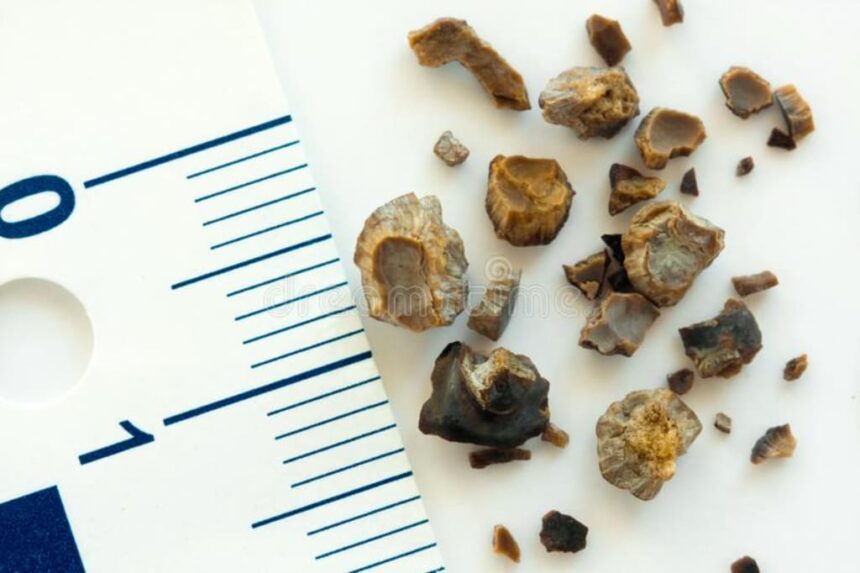
Kidney stones are hard deposits made of minerals and salts that form inside your kidneys. They develop when your urine contains more crystal-forming substances than the fluid in your urine can dilute. While symptoms may not occur immediately, kidney stones often cause intense pain when they move within the kidney or pass through the urinary tract. Here is some information about the different types of kidney stones:
Uric Acid Stones
Uric acid stones develop when urine remains consistently acidic over time, which encourages the formation of these crystals. A diet high in purines, including red meat, shellfish, and certain alcoholic drinks, raises uric acid levels. High concentrations of uric acid in the urine tend to form stones. This type of kidney stone is commonly seen in men, but anyone with high uric acid levels is at risk, including:
- Those prone to gout, a form of arthritis marked by uric acid buildup in joints
- People undergoing chemotherapy
- Those who lose a lot of fluid because of chronic diarrhea or other health conditions
- People with family history and genetic makeup factors
Symptoms may include sharp pain in the lower back or side and the urge to urinate more frequently. Passing uric acid stones tends to cause pain, but many people recover with time, increased hydration, and care. Left untreated, these stones may grow larger and block the urinary tract.
Calcium Stones
Calcium kidney stones are a widespread type of kidney stone, and they often occur as calcium oxalate. Oxalate is a naturally occurring substance in your body and is absorbed from the foods you eat. Foods like spinach, rhubarb, beets, sweet potatoes, and nuts contain high amounts of oxalate. When calcium and oxalate mix in the urine, stones may form if the levels of one or both get too high.
Some people have a genetic tendency to produce extra oxalate in their bodies. Digestive diseases or surgeries that modify the digestive tract can impact how the intestines absorb calcium and other nutrients, increasing the risk of stone formation. Calcium phosphate stones are often linked to certain metabolic disorders, such as renal tubular acidosis and hyperparathyroidism. Medications that alter calcium metabolism may also play a part.
Increasing your fluid intake and adjusting dietary habits typically helps reduce your risk. Symptoms may range from hardly noticeable to severe pain, nausea, or blood in the urine. If you experience these symptoms, consult a urologist for an accurate diagnosis and appropriate treatment.
Struvite Stones
Struvite stones can grow rapidly, sometimes becoming quite large and filling the kidney. They usually form as a result of chronic urinary tract infections (UTIs) in which certain bacteria make the urine less acidic. These bacteria create an environment where magnesium, ammonium, and phosphate come together to form struvite stones.
Symptoms might not be evident until the stone causes a blockage or the infection recurs. Large struvite stones may lead to long-term kidney problems if not treated. Managing struvite stones often involves treating the underlying infection with antibiotics and sometimes surgical procedures to remove larger stones. Staying alert to symptoms, such as cloudy or foul-smelling urine, fever, pain, or difficulty urinating, supports early identification.
Treat Kidney Stones Today
Learning about which type of stone you have provides insight and helps your healthcare team recommend suitable treatment options. Staying hydrated, watching your diet, and monitoring your health can help lower future risks, but specific steps depend on your personal circumstances. For those with recurring stones, a urologist may prescribe medications designed to dissolve stones as they form. If you think you have kidney stones, schedule a professional consultation today.