
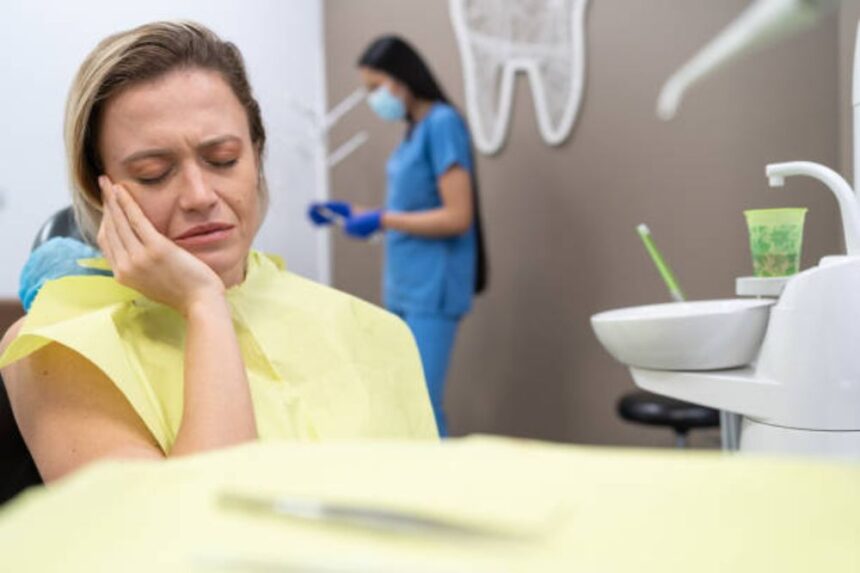
Emergency dental care provides immediate treatment for sudden oral issues such as severe pain, broken teeth, or infections that can’t wait for a routine appointment. Knowing what to expect during an emergency dental visit can help you stay calm and help you get the right care quickly. Here’s an overview of what happens when you seek urgent dental care:
Situations Requiring Emergency Dental Care
Knowing when to seek emergency dental care is key to protecting your oral health and preventing complications. Here are situations where immediate dental attention may be necessary:
- Severe toothache or persistent pain: Unrelenting pain may indicate an abscess or severe decay that requires urgent care.
- Broken or knocked-out teeth: Quick action can increase the chances of saving a tooth.
- Excessive bleeding: Sudden, uncontrolled bleeding in your mouth is a serious concern.
- Swelling or infection: Signs of infection, such as swelling or pus, can spread quickly and require prompt treatment.
- Damaged dental restorations: Broken crowns, fillings, or bridges can lead to further oral health issues if left untreated.
Being aware of these scenarios enables you to act quickly and receive the necessary care.
Process of an Emergency Visit
When you arrive for emergency dental care, the dental team will ask about your symptoms and what happened. They need to know when the problem started, what kind of pain you feel, and if anything makes it better or worse. Next, the dentist will examine your mouth, teeth, and gums. They’ll examine the affected area for visible damage, swelling, or infection.
The dentist may take X-rays to examine what’s happening beneath the surface. These images help the dentist make a clear diagnosis and plan the right treatment. Based on the examination and X-rays, the emergency dentist will explain what’s wrong and discuss treatment options with you. They’ll tell you what needs to be done immediately and what can wait for a follow-up appointment.
Common Emergency Dental Treatments
During emergency dental care, a variety of treatments are performed to address urgent issues and alleviate discomfort. These treatments may include:
- Toothache Relief: Providing pain management through medication, local anesthesia, or immediate treatment of the underlying cause.
- Repairing Broken or Chipped Teeth: Using dental bonding, crowns, or veneers to restore the tooth’s structure and appearance.
- Treating Dental Abscesses: Draining the abscess and prescribing antibiotics to manage the infection.
- Tooth Extractions: Removing severely damaged or infected teeth when necessary to protect overall oral health.
- Temporary Restorations: Placing temporary fillings, crowns, or other devices to stabilize the teeth until a permanent solution can be implemented.
These treatments aim to resolve urgent dental issues and provide temporary or initial care.
Aftercare and Prevention Tips
After your emergency dental visit, the dentist will give you clear instructions for at-home care. Following these guidelines helps your mouth heal properly and reduces the risk of complications. You may need to take prescribed medications, avoid certain foods, or use special mouth rinses.
Pain and swelling are common after urgent dental care. Applying ice packs to your face can help reduce swelling. Over-the-counter pain relievers may be recommended unless the dentist prescribes a stronger option. Make sure to attend any follow-up appointments to complete your treatment.
Preventing future dental emergencies starts with good oral hygiene. Brush your teeth twice daily and floss at least once a day. If you play sports, wear a mouthguard to protect your teeth from injury. Regular dental checkups help detect problems early before they become emergencies.
Book Your Emergency Dental Care Appointment
Urgent dental care provides fast relief when you need it most. From the moment you arrive, the dental team works to diagnose your problem, relieve your pain, and prevent further damage. If you experience a dental emergency, contact a dentist near you immediately for urgent dental care.